
Escalating Tensions: The Impact of Operation Epic Fury on Global Oil Supply
Overview of Recent Events
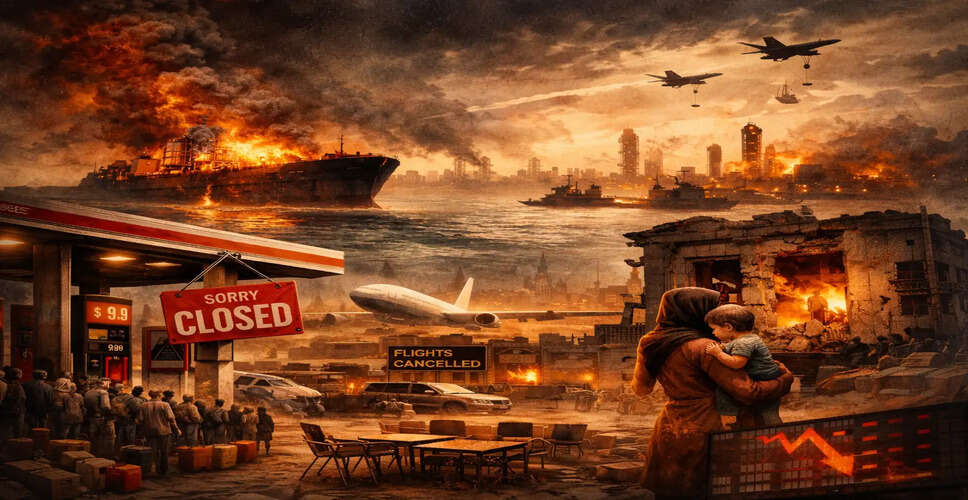
On February 28, 2026, the United States and Israel initiated ‘Operation Epic Fury’ targeting Iran, resulting in the death of Supreme Leader Ayatollah Ali Khamenei. In retaliation, Iran launched attacks on US interests throughout the West Asia region, including strikes on Tel Aviv, the UAE, Qatar, and Oman. Within just 72 hours, a crucial global shipping route was effectively closed, reminiscent of the 1973 crisis.
Current Situation
Current Situation
Following the military actions, tanker traffic through the Strait of Hormuz plummeted by around 70%, with over 150 vessels waiting outside the strait to avoid potential dangers. The traffic soon dwindled to nearly zero. Iran has declared this area off-limits for Israel, the US, and European allies, but the repercussions are extensive. By March 8, both the UAE and Kuwait began to cut oil production due to the near-closure of the Strait, amid threats from Iran regarding the safety of maritime passage.
In 2025, approximately 13 million barrels per day traversed the strait, accounting for about 31% of global seaborne oil transport. Additionally, one-fifth of the world's LNG passes through this route, along with 30% of Europe's jet fuel supply. Following Iranian drone strikes on its facilities, Qatar confirmed a halt in production at its major LNG sites.
Economic Repercussions
The cost of oil transportation surged dramatically, with the freight rate for Very Large Crude Carriers reaching a record high of $423,736 per day, marking a 94% increase from the previous close. Major marine insurers, including those from Norway and the UK, withdrew war risk coverage for vessels operating in the area. In response, President Trump utilized social media to announce that the US Development Finance Corporation would offer political risk insurance to shipping companies operating in the Persian Gulf at competitive rates. This insurance protects against losses from both declared and undeclared wars, with excess premiums typically benefiting the US Treasury.
Brent crude prices have surged to approximately $83 per barrel, with European natural gas futures increasing by about 30%. US natural gas prices also saw a 5% rise. Analysts on Wall Street have cautioned that a prolonged disruption could push oil prices beyond $100 per barrel. One energy expert indicated that this situation could be three times more severe than the 1973 Arab oil embargo, highlighting the historical lessons learned from that crisis.
Historical Context: The 1973 Oil Crisis
Historical Context: The 1973 Oil Crisis
The 1973 oil crisis began on October 6, when Egypt and Syria launched a surprise attack on Israel during the Yom Kippur War. The US, supporting Israel, faced retaliation from Arab OPEC nations, leading to significant cuts in oil exports. Oil prices skyrocketed from $2 to $11 per barrel, and retail gasoline prices surged by 40% in November 1973 alone. The average price per gallon in the US increased by 43% between May 1973 and June 1974.
During this period, President Nixon confronted a major crisis as OPEC imposed an embargo on oil exports to the US, resulting in skyrocketing prices and resource scarcity. The inflation rate in the US reached 12.3% in 1974, up from 3.4% in 1972, while real GDP contracted by 2.1%. The Dow Jones index plummeted over 45%, marking the worst bear market since the Great Depression. Global economic growth also suffered, dropping from 6.9% in 1973 to just 1.4% in 1975.
Wider Economic Impact
Wider Economic Impact
The 1973 crisis extended beyond the oil sector, affecting various industries. Airlines increased fares, heating costs surged, and Americans shifted from larger vehicles to more fuel-efficient models from Japan and Germany. In January 1974, a 55 mph speed limit was introduced as an emergency fuel conservation measure, remaining in effect until 1995. This crisis marked the end of a long period of post-war prosperity, plunging the world into a significant economic downturn.
Fast forward to March 2026, and the current situation mirrors the risks of the past. A spike in crude oil prices could elevate import costs and LNG contract prices, particularly impacting countries like Pakistan and Bangladesh, which have limited storage and procurement flexibility. Major economies such as China, India, Japan, and South Korea account for nearly 70% of shipments through the Strait of Hormuz.
Geopolitical Tensions
Geopolitical Tensions
The 1973 crisis fractured Western alliances quickly, as European and Japanese nations sought American assistance for energy security while prioritizing Arab oil. Today, major shipping companies have suspended operations through the Hormuz Strait, and tensions have escalated between the US and its allies. Gulf nations, while attempting to remain neutral, are compelled to respond to Iranian threats against US installations on their territory.
Russia stands to gain from the current disruptions, as both India and China may increase their reliance on Russian crude supplies. The 1973 crisis reshaped the global economic landscape, and similar dynamics are emerging in 2026.
Political Implications
Political Implications
In October 1973, President Nixon was already weakened by the Watergate scandal and inflation issues. His approval ratings plummeted, and he resigned in August 1974. The political landscape in 2026 is not identical, but echoes of the past are evident. President Trump, who campaigned on promises of lower inflation and fewer foreign conflicts, now faces escalating tensions that threaten to impact US consumers significantly.
Trump announced that the US Navy would escort tankers through the Strait and that the Development Finance Corporation would provide political risk insurance for maritime trade. While oil prices eased slightly following these announcements, the market remains cautious, recognizing that insurance and naval escorts cannot guarantee safe passage.
Looking Ahead
Looking Ahead
The 1973 crisis lasted five months before the embargo was lifted in March 1974. During this period, US unemployment rose significantly, and the economic repercussions were felt for years. The question now is whether the current situation will follow a similar trajectory or if governments will manage to contain the disruption quickly. History suggests that such dependencies often persist until the next crisis arises.