
Escalating Tensions: Pakistan Launches Airstrikes on Afghanistan Following Border Clashes
Pakistan's Airstrikes on Afghanistan
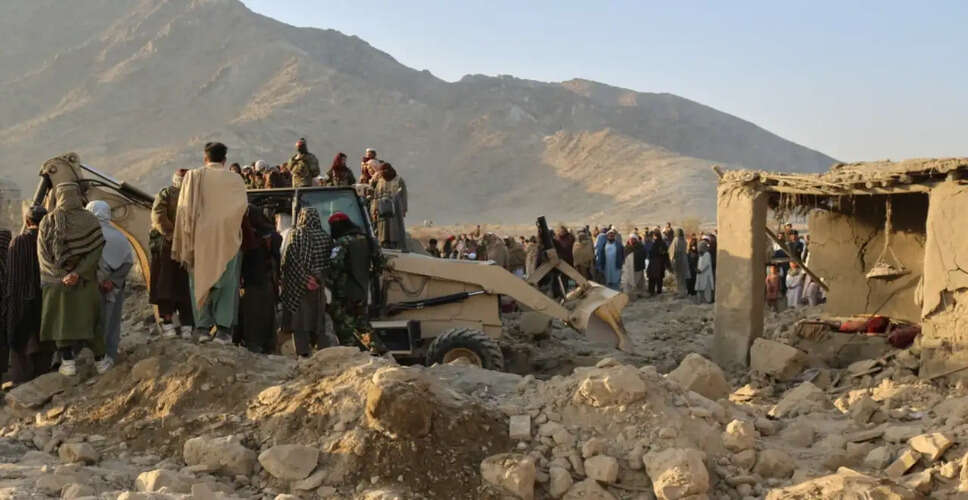
In a significant escalation of hostilities, Pakistani military forces executed airstrikes in Kabul and Kandahar shortly after Afghanistan reported retaliatory actions across their shared border. The airstrikes occurred early Friday, following Afghanistan's cross-border attack in response to Pakistani strikes from the previous Sunday, which Pakistan claimed resulted in the deaths of at least 70 militants. However, Afghanistan disputed this, asserting that the strikes resulted in civilian casualties, including women and children, and labeled them a breach of its airspace and sovereignty. This incident marks a troubling increase in tensions between the two neighboring nations, jeopardizing a fragile ceasefire established in October of the previous year.
Pakistani Strikes Follow Afghan Counterattack
On Friday, Kabul experienced at least three explosions, with Afghan Government spokesperson Zabihullah Mujahid confirming that airstrikes also targeted Kandahar and the southeastern province of Paktia. The Afghan forces had launched a counterattack into Pakistan, claiming to have seized over a dozen Pakistani military posts. The border, known as the Durand Line, stretches 2,611 kilometers (1,622 miles) and remains unrecognized by Afghanistan.
Mujahid stated on social media that large-scale offensive operations were initiated against Pakistani military bases in response to ongoing insurgent activities. Afghanistan's Defence Ministry reported that these retaliatory strikes occurred across six provinces along the border.
Ongoing Strain Between Afghanistan and Pakistan
The relationship between Afghanistan and Pakistan has been fraught with tension for several months, highlighted by deadly border skirmishes in October that resulted in numerous casualties among soldiers, civilians, and suspected militants. This violence followed bombings in Kabul, which Afghan officials attributed to Pakistan. In response, Islamabad conducted strikes targeting militant hideouts within Afghanistan. Although a ceasefire mediated by Qatar has mostly held, sporadic exchanges of fire have continued. Attempts at peace talks in November did not yield a formal agreement.
Initially, Pakistan welcomed the Taliban's return to power in 2021, with then-Prime Minister Imran Khan expressing that Afghans had liberated themselves. However, relations soured as Islamabad realized the Taliban were not as compliant as anticipated. Pakistan alleges that the leadership of the Tehreek-e-Taliban Pakistan (TTP) and many of its fighters operate from Afghan territory, while also claiming that insurgents seeking independence for Balochistan find refuge in Afghanistan. Both the TTP and the Afghan government have denied these accusations. Reports indicate a rise in militancy and violence within Pakistan in recent years.