
Escalating Tensions: Pakistan Conducts Airstrikes in Afghanistan Amid Rising Violence
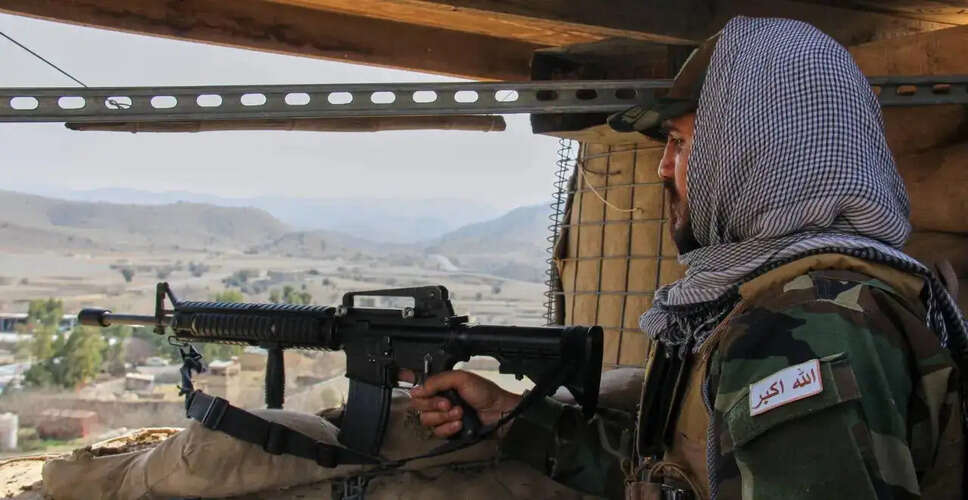
Pakistan's Airstrikes Target Afghan Locations
In a significant escalation of hostilities, Pakistan has executed a series of airstrikes within Afghanistan, focusing on areas such as Kabul, Kandahar, Paktia, and Paktika. Afghan officials report that these strikes have impacted various locations, including residential zones, resulting in civilian casualties. The Taliban-led administration has denounced these actions as 'blatant aggression' and has warned of repercussions.
This surge in violence follows the collapse of a fragile ceasefire that had briefly halted hostilities after cross-border skirmishes began in October 2025. Despite the temporary truce, militant activities within Pakistan and subsequent retaliatory strikes have reignited tensions.
Pakistani authorities maintain that the airstrikes are directed at militant factions operating from Afghan soil, accusing the Afghan Taliban of providing refuge to the Tehreek-e-Taliban Pakistan (TTP). However, Kabul refutes these claims, asserting that it does not support any militant groups targeting Pakistan.
Increasing Violence Along the Durand Line
Rising Border Violence Along The Durand Line
The ongoing conflict is deeply rooted in historical disputes along the Durand Line, a contentious 2,600-kilometre border that divides Afghanistan and Pakistan. This region has long been challenging to manage due to its rugged landscape and the presence of ethnic Pashtun communities on both sides. Militant organizations have often taken advantage of the porous border to traverse between the two nations.
The current crisis escalated following a series of violent incidents in Pakistan earlier this year, including a suicide bombing at a Shia mosque in Islamabad that resulted in numerous fatalities. Other attacks targeted Pakistani security forces in Khyber Pakhtunkhwa province, with authorities alleging that the attackers had ties to groups based in Afghanistan.
Subsequent violence included assaults on military convoys and border checkpoints, with a notable suicide bombing in Bajaur district in February claiming the lives of several Pakistani soldiers and civilians. Pakistani officials attributed these attacks to TTP militants and criticized Kabul for not taking action against them.
Potential for Open Conflict
Escalation Toward Open Conflict
In response to these attacks, Pakistan launched airstrikes on Afghan territory in late February, asserting that they targeted militant camps. Afghan officials contended that these strikes instead affected civilian populations, resulting in numerous casualties, including women and children. The United Nations mission in Afghanistan later confirmed that at least 13 civilians lost their lives in one of these incidents.
In retaliation, the Taliban government executed cross-border strikes against Pakistani military positions, claiming to have seized several installations and inflicted significant losses on Pakistani forces. While Pakistan disputed these assertions, it acknowledged that clashes occurred across various border sectors.
Pakistan’s Defence Minister Khawaja Asif has cautioned that the situation could escalate into 'open war.' Islamabad has intensified its air and ground operations against areas believed to harbor militant groups. Afghan leaders, including Taliban supreme leader Hibatullah Akhundzada, have condemned the airstrikes and pledged to protect Afghan sovereignty.
Efforts to diplomatically resolve the tensions have yet to yield positive outcomes. Afghan officials express a willingness to engage in dialogue, but Pakistani authorities have indicated that negotiations are unlikely unless Kabul takes more decisive action against militant factions. With both nations trading accusations and continuing military operations, analysts warn that the conflict between Pakistan and Afghanistan could escalate into a broader confrontation if the violence continues.