
Escalating Tensions: Iran's Missile Strikes Prompt Saudi Arabia to Close Key Bridge to Bahrain
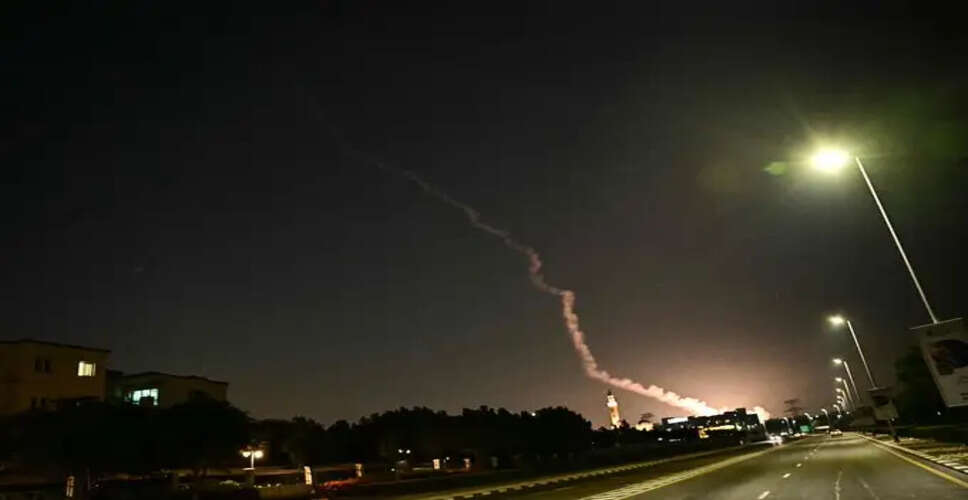
Rising Hostilities in the Gulf Region
In a significant escalation, Saudi Arabia has shut down the sole road connecting it to Bahrain following missile attacks from Iran targeting its oil-rich Eastern Province. This latest aggression from Tehran coincides with Iranian officials encouraging citizens to form human chains around power facilities to safeguard them, as the deadline set by US President Donald Trump for Iran to reopen the vital Strait of Hormuz approaches.
Trump has issued a stark warning, threatening to bomb Iran's power plants and bridges if the country does not comply with his deadline of 8 PM EDT on Tuesday, which is crucial for resuming shipping traffic through this strategic waterway that carries a significant portion of the world's oil during peacetime.
He stated, "The entire country can be taken out in one night."
Israel's military has also issued warnings in Farsi, advising Iranians to avoid using trains throughout the day, likely indicating planned strikes on the rail system.
"Your presence puts your life at risk," the warning posted on social media stated.
Iran had previously halted shipping through the Strait following attacks from Israel and the US on February 28, which marked the beginning of the conflict. Tehran dismissed a ceasefire proposal lasting 45 days, insisting on a permanent cessation of hostilities.
On Tuesday morning, Iran launched seven ballistic missiles at Saudi Arabia, with debris reported to have fallen near energy sites as they were intercepted. The Saudi Defence Ministry is currently assessing the extent of the damage.
In response to the threat of further Iranian assaults, Saudi Arabia has closed the King Fahd Causeway, the bridge that connects it to Bahrain, which is home to the US Navy's 5th Fleet.
This 25-kilometre (15.5-mile) bridge is the only road link for Bahrain to the Arabian Peninsula.
Meanwhile, reports have emerged of renewed strikes on Tehran, with Israel claiming responsibility. Iran has also retaliated with missile fire directed at Israel.
Concerns Over Civilian Infrastructure Attacks
Iran's assaults on the energy infrastructure of its Gulf neighbors, along with its control over the Strait of Hormuz, have led to soaring oil prices and significant global economic repercussions.
Brent crude oil prices have surged above $111 per barrel, reflecting an increase of over 50% since the onset of the conflict.
Facing mounting domestic pressure as consumers feel the economic strain, Trump has reiterated his demand for Iran to reopen the Strait of Hormuz to all shipping or face destruction of its power plants and bridges. His threats against civilian infrastructure have raised alarms about potential war crimes.
New Zealand's Prime Minister Christopher Luxon has urged Trump to reconsider, emphasizing that the focus should be on preventing further escalation of the conflict.
"Any actions, including bombing bridges and civilian infrastructure, would be unacceptable," Luxon stated during an interview.
In a show of defiance, Iran has called upon its youth, including athletes and students, to form human chains around power plants in anticipation of the threatened strikes.
"Power plants are our national assets and should be protected, regardless of political views," said Alireza Rahimi, identified as the secretary of the Supreme Council of Youth and Adolescents, during a televised address.
Iran has previously organized human chains around its nuclear facilities during times of heightened tensions.
UN Secretary-General Antonio Guterres has cautioned the US that attacks on civilian infrastructure violate international law, according to his spokesperson. Trump, however, has expressed that he is "not at all" concerned about the implications of committing war crimes.
As the deadline approaches, diplomatic efforts continue in search of a resolution. Despite Iran's rejection of the latest US proposal, discussions are reportedly still in progress.
Casualties Continue to Mount
The death toll across the region has risen sharply, with over 1,900 fatalities reported in Iran since the conflict began, although the government has not updated these figures in several days.
In Lebanon, more than 1,400 individuals have lost their lives, and over 1 million people have been displaced. Eleven Israeli soldiers have also been reported dead.
In the Gulf Arab states and the occupied West Bank, more than two dozen casualties have been recorded, alongside 23 deaths in Israel and 13 US service members killed.
On a separate note, Japan announced on Tuesday that one of its citizens detained in Iran since January has been released on bail, with Chief Cabinet Secretary Minoru Kihara confirming that Japan is seeking his full release from Iranian authorities.