
Escalating Tensions: Iran Strikes Back After Israeli Attack on Gas Field
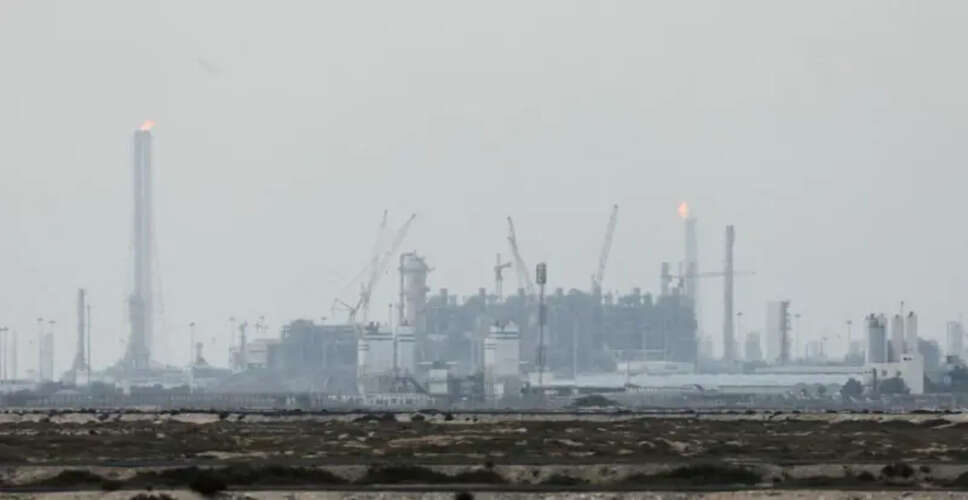
Middle East Conflict Intensifies
Doha/Tehran, March 20, 2026 — The conflict in the Middle East has escalated dramatically. Just hours after Israel launched an attack on Iran's South Pars gas field, Iran retaliated with a missile strike on Qatar's Ras Laffan Industrial City. This facility is recognized as the largest liquefied natural gas (LNG) export hub globally, accounting for nearly 20% of the world's gas supply.
In an official statement, Qatar Energy and the Qatari government reported that Iranian missiles inflicted "significant damage" on Ras Laffan. The assault ignited severe fires in several LNG trains and gas-to-liquids plants. Initial assessments suggest that Qatar's LNG export capacity could drop by 17%, with repairs expected to take between three to five years. Additionally, Qatar's foreign ministry has declared Iran's military and security attaché as "persona non grata," ordering them to leave the country within 24 hours.
The Iranian Revolutionary Guards characterized the missile strike as a "direct and strong response" to the Israeli attack on South Pars. Iran's oil ministry indicated that the Israeli assault caused damage to the Asaluyeh processing hub and other facilities, which produce millions of cubic meters of gas daily. Iran had previously warned that any attack on its energy infrastructure would lead to targeting oil and gas facilities throughout the Gulf region.
This incident has sent shockwaves through the global energy market. Brent crude oil prices temporarily surged to $119 per barrel, while LNG prices have rapidly increased across Europe, the U.S., and Asia. U.S. President Donald Trump issued a stern warning to Iran, stating that if Qatar were attacked again, the U.S. would "destroy the South Pars gas field with full force," an unprecedented threat for Iran.
Experts believe this marks a new and perilous phase in the energy conflict. The South Pars/North Dome field is the largest natural gas reserve in the world, shared between Iran and Qatar. This incident represents the most significant attack on energy infrastructure to date, raising serious concerns about energy supply routes through the Strait of Hormuz.
Qatar condemned the attack, labeling it a "direct threat to national security." Regional nations are on high alert, and fears of a deepening global energy crisis are mounting.