
Escalating Tensions in the Strait of Hormuz: A New Maritime Conflict
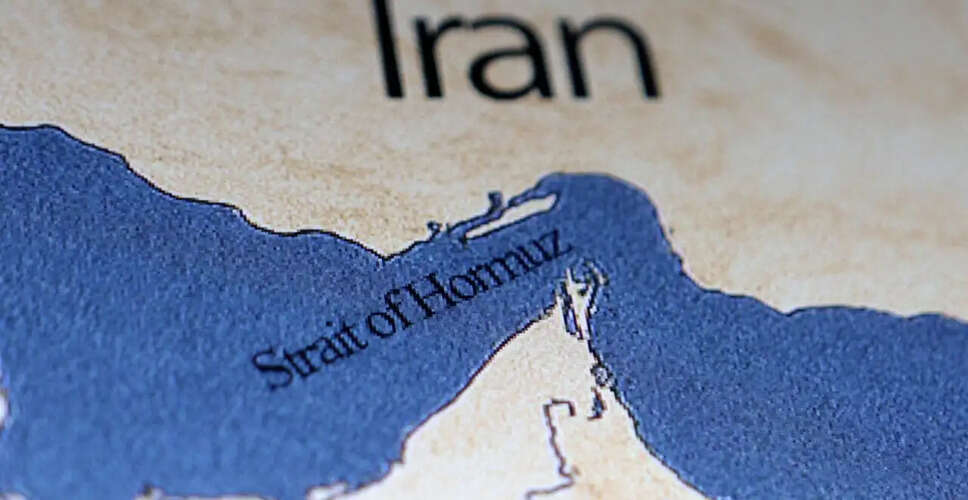
The Importance of the Strait of Hormuz
The Strait of Hormuz, a crucial maritime passage linking the Persian Gulf to the Gulf of Oman, is vital for global oil transportation, with approximately 20% of the world's oil trade transiting through it daily. Any disruptions in this area raise significant alarms for energy markets and international shipping.
Conflict Escalation in Early 2026
In early 2026, rising tensions involving Iran, the United States, and Israel have severely affected naval and commercial operations in the strait, resulting in attacks and threats that have nearly paralyzed maritime traffic.
February 28, 2026 — The Opening ShotThe United States and Israel initiate Operation Epic Fury, targeting Iranian sites in a significant military escalation in the Middle East. The strikes hit key Iranian locations, prompting Tehran to label it an act of war, as the critical oil passage prepares to become a battleground.
First Signs of Retaliation
March 1, 2026 — First Blood at Sea
Footage from Al Jazeera shows a Palau-flagged oil tanker engulfed in flames after being hit by a projectile, marking the first visible act of retaliation from Iran.
In a shocking announcement, Iranian Revolutionary Guard official Ebrahim Jabari declares the Strait of Hormuz closed, threatening to attack any vessels attempting to pass. This declaration sends shockwaves through oil markets.
The Tanker War Begins
Between February 28 and March 2, 2026, analysis reveals that up to eight commercial vessels were struck or impacted in the Strait of Hormuz and surrounding waters, resulting in fatalities and injuries. These attacks primarily targeted international commercial ships and oil tankers perceived as defying Iranian warnings.
U.S. Response to Iranian Aggression
March 4, 2026 — The United States Strikes Back
In response, U.S. forces launch a coordinated operation to dismantle Iran's blockade capabilities, targeting Iranian naval assets across the region. Reports indicate that over 20 Iranian navy ships were destroyed, significantly degrading Iran's naval presence.
The Conflict Intensifies
March 6, 2026 — The Reckoning
Reports confirm that U.S. forces have sunk more than 30 Iranian vessels, including a drone carrier, and have targeted frigates and corvettes at various bases. The Strait of Hormuz, a vital artery for global oil, has now transformed into a conflict zone, with commercial shipping nearly halted and insurance costs skyrocketing.
Implications of the Conflict
Iran's attacks on commercial vessels were framed as retaliation for U.S. and Israeli strikes. However, the ships targeted were not American or Israeli, and the crew member who lost their life was not from those nations. The situation has escalated the Strait of Hormuz from a critical global chokepoint to an active conflict zone. The destruction of Iran's naval capabilities raises questions about the future of maritime security in the region.