
Escalating Tensions in the Middle East: US-Iran Relations at a Crossroads

Rising Hostilities Between the US and Iran
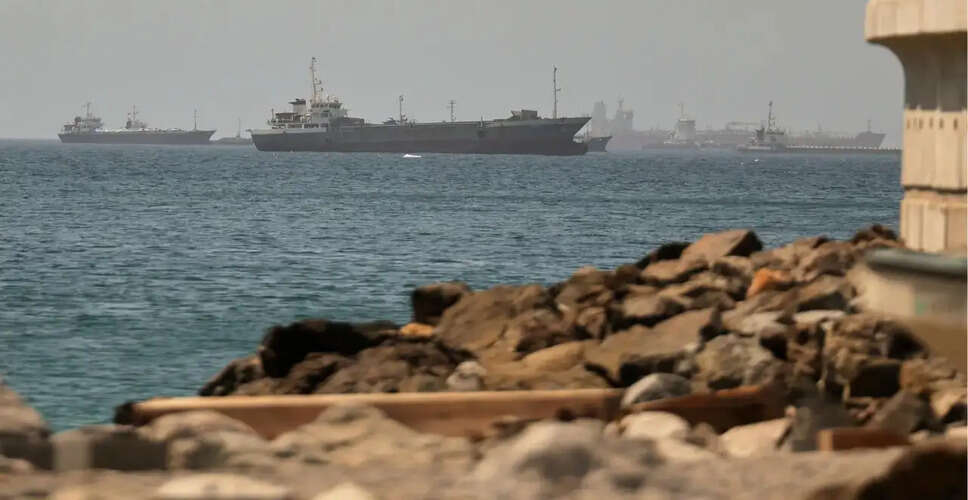
The situation in the Middle East has deteriorated significantly, marking the most severe escalation between the United States and Iran since the recent interim peace agreement was established. In retaliation to new US airstrikes, Tehran has initiated drone and missile strikes aimed at Bahrain and Kuwait. This surge in hostilities appears to be an effort by Iran to assert its dominance over the strategically crucial Strait of Hormuz, with analysts pointing to the ambiguous language in the fifth article of the US-Iran Memorandum of Understanding (MoU) as a contributing factor. This vital waterway connects the Persian Gulf to the Gulf of Oman and the Arabian Sea, through which a substantial portion of the world's oil supply flows.
Understanding Article 5 of the US-Iran MoU
Key Provisions of Article 5
Article 5 of the MoU outlines several critical points:
- Iran is tasked with ensuring the safe passage of commercial vessels.
- For a period of 60 days, Iran will not impose tolls on vessels traveling from the Persian Gulf to the Sea of Oman and vice versa.
- Immediate traffic in the Strait of Hormuz is encouraged.
- Iran is expected to eliminate "technical and military obstacles" and conduct demining operations within 30 days.
The article emphasizes that commercial vessel traffic should commence promptly, and Iran is expected to engage in discussions regarding the future management of maritime services in the Strait of Hormuz, in accordance with international law.
Divergent Interpretations of Article 5
US and Iran's Different Views
There appears to be a significant divergence in how the United States and Iran interpret Article 5. Iran views this article as placing the onus of reopening and managing the Strait of Hormuz entirely on its shoulders. Iranian Foreign Minister Abbas Araghchi has made it clear that Iran will maintain full oversight of the strait for the next 30 days, warning that any external interference could exacerbate tensions and complicate the reopening process.
Conversely, the United States is attempting to navigate around Iranian control, advocating for the international nature of the waterway. Experts suggest that the US is seeking to amend the terms of the MoU it originally signed. According to Hassan Ahmadian from the University of Tehran, the US is trying to extricate itself from the agreement while still holding Iran accountable.
Both nations are keen to assert their influence over the strait, which could lead to heightened tensions and potential confrontations. Andrea Dessi from the American University of Rome warns that this situation may become a recurring theme in the coming weeks as negotiations continue.