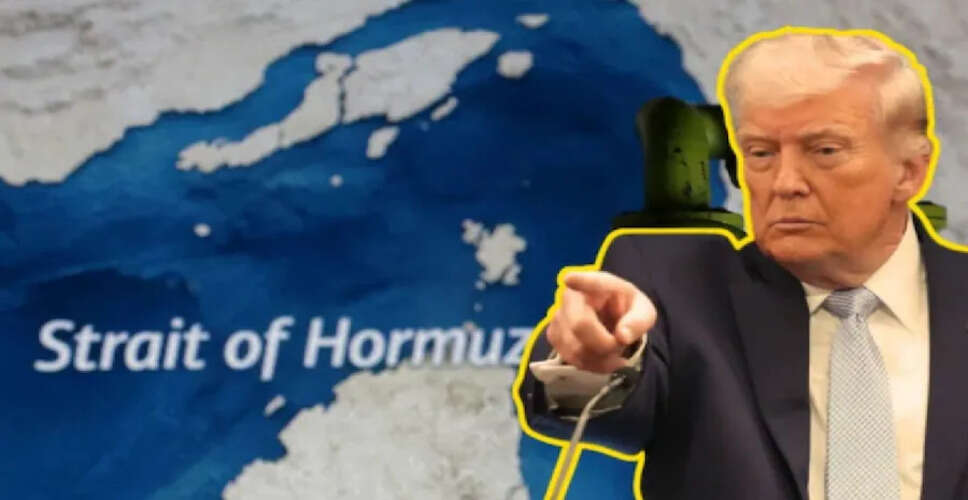
Amid ongoing tensions in the Middle East, the recent ceasefire agreement between the U.S., Iran, and Israel appears to be facing new challenges. While the U.S. and Iran seem to be moving towards a diplomatic resolution, Israel's continued military actions are undermining the entire agreement.
A temporary ceasefire was recently agreed upon between the U.S. and Iran, aimed at halting hostilities and paving the way for negotiations. This agreement emphasized the reopening of the crucial maritime route, the Strait of Hormuz, and aimed to reduce tensions in the region.
However, the situation became complicated when Israel continued its attacks against the Iran-backed group Hezbollah in Lebanon. Israel has made it clear that its operations are not part of the ceasefire and that it will continue its actions for its own security.
In response, Iran has issued a stern warning to the U.S., stating that it cannot pursue two conflicting policies—advocating for a ceasefire while simultaneously allowing Israel to continue its military operations. Iran has cautioned that if Israeli attacks persist, it may withdraw from the ceasefire and negotiations could collapse.
Experts believe this dispute highlights a significant weakness in the ceasefire. The U.S. views the agreement in a limited context, while Iran insists that it must encompass Israel's military actions as well. These differing interpretations are now a source of escalating tension.
Additionally, deep-seated disagreements remain between the two nations on major issues such as nuclear programs, missile policies, and regional influence. The U.S. seeks to limit Iran's nuclear ambitions, while Iran is unwilling to compromise on its rights.
Internationally, this ceasefire has been welcomed, with European nations describing it as an opportunity to reduce tensions and urging all parties to exercise restraint.
Currently, it is evident that this ceasefire is in a precarious state. While attempts at dialogue continue, ground-level conflicts show no signs of abating.
In the coming days, it will become clear which direction the U.S. will take—whether it will fully embrace the path of peace or continue to stand with Israel in ongoing conflict. This decision will significantly impact both the stability of the Middle East and global politics.