
Escalating Tensions in the Gulf: Iran's Missile Strikes and US Retaliation
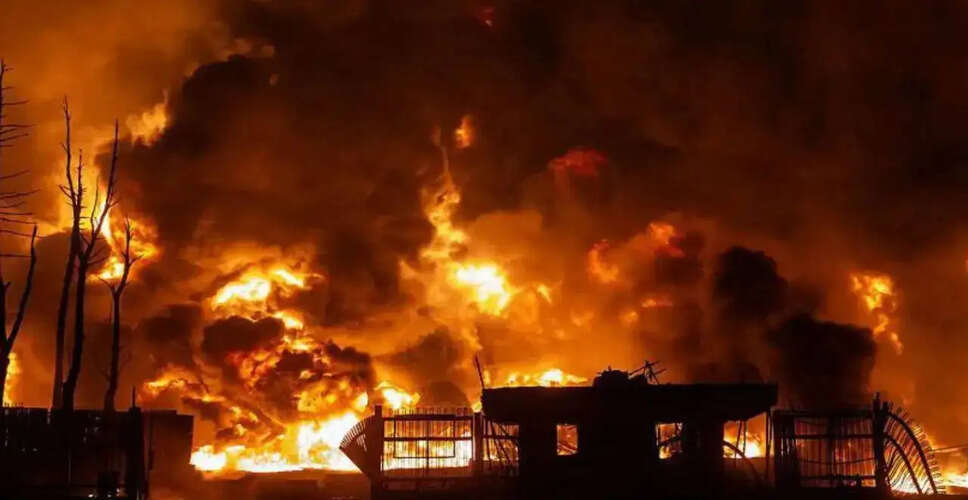

Gulf Conflict Intensifies
The situation in the Gulf region took a dramatic turn on Saturday when Iran's Islamic Revolutionary Guard Corps (IRGC) announced missile strikes targeting what they referred to as "enemy bases in the region." This action was reportedly in retaliation for recent US military operations against Iranian positions near the strategically crucial Strait of Hormuz. According to a statement from the IRGC, reported by Iran's semi-official Tasnim news agency, these strikes were a direct response to what they termed "US aggression" against the Iranian locations of Sirik and Qeshm Island. The announcement coincided with air raid sirens sounding across Kuwait, raising alarms about a potential escalation in regional hostilities.
Kuwait on High Alert
Kuwait On Alert As Interceptions Reported
Reports from Al Jazeera Arabic indicated that alarm sirens were activated multiple times in Kuwait as air defense systems intercepted incoming missiles and drones. Residents reported hearing explosions consistent with interception efforts. Although the alerts caused significant concern, they eventually subsided, and authorities confirmed that the situation had stabilized. These interceptions highlight the increasing involvement of Gulf states in the ongoing military exchanges between Iran and the United States.
US Military Actions
US Struck Iranian Radar Sites After Drone Launches
The Iranian missile strikes followed a US military operation aimed at Iranian coastal surveillance infrastructure. Earlier, US Central Command (CENTCOM) reported that American forces intercepted four Iranian drones that were launched toward the Strait of Hormuz, which posed an "immediate threat to regional maritime traffic." CENTCOM stated, "Moments ago, CENTCOM forces shot down four Iranian one-way attack drones that were launched toward the Strait of Hormuz." Following these interceptions, US forces targeted Iranian radar sites on Qeshm Island and in Goruk, asserting their readiness to respond to any further threats.
Strait of Hormuz: A Critical Flashpoint
Strait Of Hormuz Emerges As Flashpoint
This latest confrontation emphasizes the Strait of Hormuz's significance as a central battleground in the escalating regional conflict. This narrow passage connects the Persian Gulf to international shipping routes and has historically been one of the world's most vital maritime chokepoints. Prior to the current tensions, approximately one-fifth of global oil supplies traversed this strait, making any disruption a significant concern for global energy markets. Iran, controlling the northern coastline, has repeatedly threatened military and commercial traffic during heightened tensions with the US and its allies.
Recent Attacks Heighten Tensions
Tensions Rising After Kuwait Airport Attack
The recent exchanges follow a deadly drone strike at Kuwait International Airport that resulted in one fatality and over 60 injuries. Kuwaiti officials attributed the attack to Iran, labeling it as "criminal Iranian aggression." They also reported damage to diplomatic facilities. However, Iran's Revolutionary Guard denied involvement, suggesting the destruction was due to a malfunction of a US interceptor missile. CENTCOM dismissed this claim, accusing Tehran of executing a "deliberate, calculated and unjustified attack." These conflicting narratives have exacerbated tensions between Washington and Tehran, with both sides blaming each other for destabilizing the region. The missile launches, US retaliatory actions, and the activation of air defense systems in Kuwait indicate a rapidly worsening security situation across the Gulf. With military assets, commercial shipping routes, and critical energy infrastructure increasingly at risk, analysts warn that even a minor miscalculation could lead to a broader regional conflict involving multiple Gulf states. Currently, both Washington and Tehran seem intent on showcasing their military strength, raising concerns that the Strait of Hormuz could become the next major flashpoint in this volatile confrontation.