
Escalating Tensions: Houthi Rebels Threaten Key Maritime Chokepoint
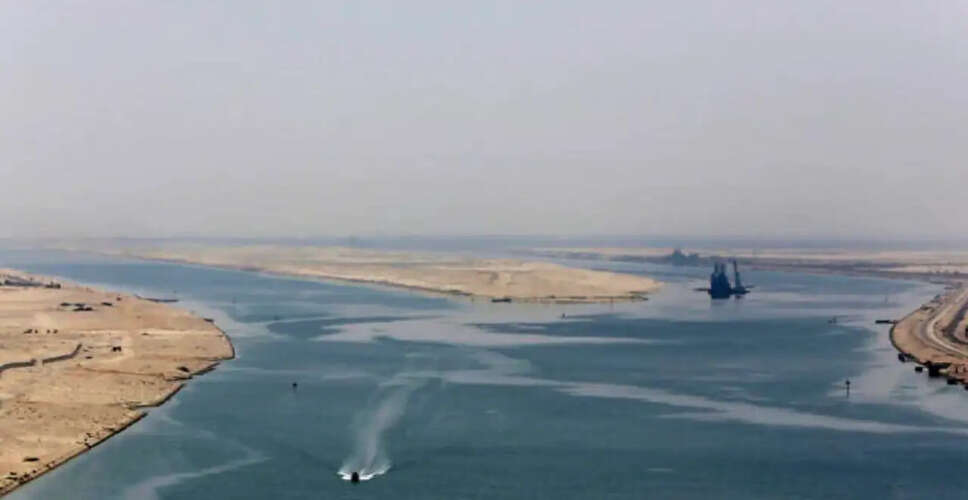
Houthi Rebels Issue Warning Over Bab el-Mandeb Strait
The Iran-aligned Houthi rebels in Yemen have issued a stark warning about potentially escalating the ongoing regional conflict by targeting the Bab el-Mandeb Strait, a crucial maritime chokepoint. This development raises concerns about further disruptions to global shipping and energy supplies, which are already under strain due to rising tensions in the Strait of Hormuz, as reported by a leading news outlet.
According to Iran's semi-official Fars News Agency, the Houthis, along with other factions in the so-called 'axis of resistance,' are on high alert and may join Iran in its growing confrontation with the United States and its allies. Houthi leader Abdul Malik al-Houthi indicated last week that his group is prepared for military escalation in support of Iran, framing it as a struggle for the nation against American and Israeli adversaries. This involvement could lead to attempts to close the Bab el-Mandeb Strait, which connects the Red Sea to the Gulf of Aden and is vital for vessels navigating to and from the Suez Canal.
Al-Houthi stated, 'Our hands are on the trigger when it comes to military escalation and action whenever developments require it.' This warning comes amid rising tensions in the Middle East, as Iran-aligned groups express their readiness to engage in the conflict. The Houthis' participation could create a new maritime front, turning the Red Sea, a major trade route, into a significant flashpoint. A closure or significant disruption of the Bab el-Mandeb Strait would have far-reaching global consequences, as approximately 12% of the world's seaborne oil passes through this chokepoint, making it the fourth-largest globally.
Current Situation in the Strait of Hormuz
The Strait of Hormuz is another strategic chokepoint, through which about one-fifth of the world's oil supply flows. Amid the escalating conflict in the Middle East, Iran has imposed restrictions on certain tankers navigating this vital waterway. Iranian Foreign Minister Abbas Araghchi has stated that the strait remains accessible for international shipping but cautioned that vessels from the United States, Israel, and their allies may face limitations.
In his inaugural message as Iran’s Supreme Leader, Mojtaba Khamenei reaffirmed Tehran’s commitment to maintaining its influence over the Strait of Hormuz. Alireza Tangsiri, commander of the Islamic Revolutionary Guard Corps (IRGC) Navy, dismissed U.S. claims regarding the destruction of Iran's navy or the provision of safe escort for oil tankers as false. He emphasized that while the Strait of Hormuz is under control, it has not been militarily blocked.
Notably, U.S. President Donald Trump recently urged nations reliant on oil shipments through the strait to take responsibility for ensuring its openness, with American support. Washington is attempting to mitigate high oil prices amid ongoing U.S.-Israeli operations against Iran, which have prompted Iranian retaliatory actions against U.S. assets in the region.