
Escalating Tensions Between Pakistan and Afghanistan: Live Updates
The conflict between Pakistan and the Taliban-led government of Afghanistan has intensified, particularly along the Durand Line. Accusations against terrorist groups like TTP have led to open warfare, with significant airstrikes and casualties reported on both sides. As tensions rise, the international community calls for restraint while both parties prepare for further confrontations. This article provides a comprehensive overview of the situation, including key developments and claims from both sides, as well as the current state of affairs in the region.
| Mar 1, 2026, 11:08 IST
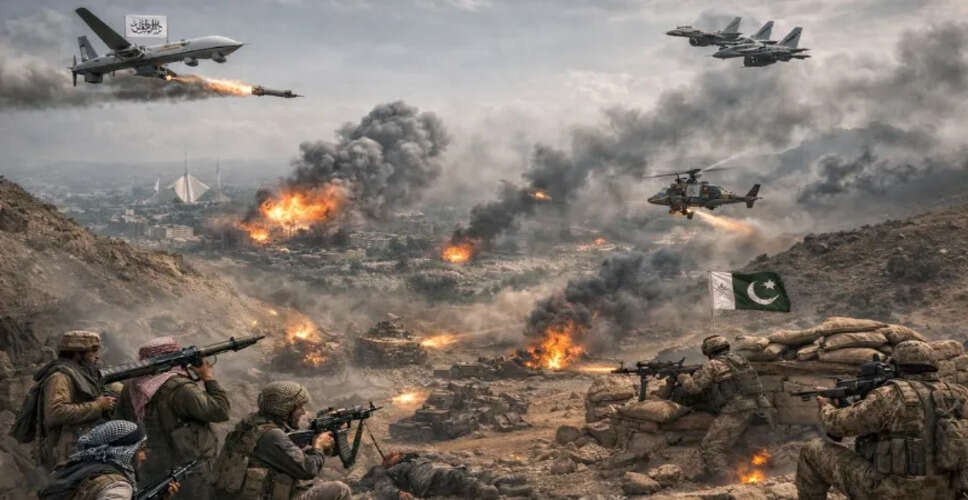
Overview of the Pakistan-Afghanistan Conflict
The ongoing conflict between Pakistan and the Taliban-led government of Afghanistan has reached a critical point, particularly along the Durand Line. This tension has escalated into open warfare, largely fueled by accusations against terrorist groups like the TTP (Tehrik-i-Taliban Pakistan) in recent months.
Background and Causes
- Primary Cause: Pakistan claims that the Taliban is harboring TTP and other terrorist organizations in Afghanistan, which are responsible for attacks within Pakistan, including incidents like the Islamabad mosque blast and the Bajaur attack. The Taliban denies these allegations and accuses Pakistan of border violations.
- Trigger Event: In February 2026, Pakistan conducted airstrikes on alleged terrorist camps in Afghanistan. In retaliation, the Taliban launched counterattacks, prompting Pakistan to initiate “Operation Ghazab Lil Haq” (meaning: Wrath for Justice) on February 27, 2026.
- Pakistan's Defense Minister Khawaja Asif stated, “Our patience has run out; we are now in a state of open war.”
Key Developments (February-April 2026)
- February 21-22: Pakistan conducted airstrikes in Nangarhar, Paktika, and Khost targeting TTP/ISIS-K camps, claiming over 70 militants were killed.
- February 26-27: The Taliban launched significant attacks on Pakistani border posts. In response, Pakistan initiated Operation Ghazab Lil Haq, conducting airstrikes on several cities including Kabul, Kandahar, and Paktia. Pakistan claims to have killed between 133-352 Taliban fighters and destroyed multiple headquarters and depots.
- Taliban Response: Attacks on Pakistani soldiers resulted in claims of over 55 Pakistani military casualties. The Taliban also claimed to have shot down a Pakistani F-16 jet and captured its pilot, which Pakistan has denied.
- March 1, 2026 (Today): Reports of large explosions and gunfire in Kabul. Taliban spokesperson Zabiullah Mujahid stated, “Anti-aircraft fire is being directed at Pakistani fighter jets. Residents need not panic.” Eyewitnesses reported tracer fire and aircraft in the area. The conflict has now entered its fourth day.
Claims and Casualties (Unverified)
- Pakistan: Claims to have killed 300-352+ Taliban fighters and destroyed several posts/headquarters, with only 2-3 Pakistani soldiers reported dead.
- Taliban: Claims that civilian casualties occurred due to Pakistani attacks, asserting no significant losses on their side, with over 55 Pakistani soldiers killed and one jet downed.
- International Response: The UN and Russia have called for restraint. Russia has recognized the Taliban government and urged dialogue between both parties. The United States has supported Pakistan's right to self-defense.
Current Situation (Live Updates)
- A tense atmosphere persists in Kabul, with ongoing explosions and air defense fire.
- New attacks are anticipated from both sides. The Taliban has indicated a willingness to engage in talks, while Pakistan maintains a firm stance.
- Regional instability is increasing in South Asia, particularly amid rising US-Iran tensions.
The situation is rapidly evolving. For updates, check reliable sources such as Reuters, The Hindu, and Al Jazeera. While there are hopes for peace talks, the current state resembles that of war.