
Escalating Risks in the Iran Conflict: The Impact of Targeting Energy Infrastructure
Introduction to the New Phase of Conflict
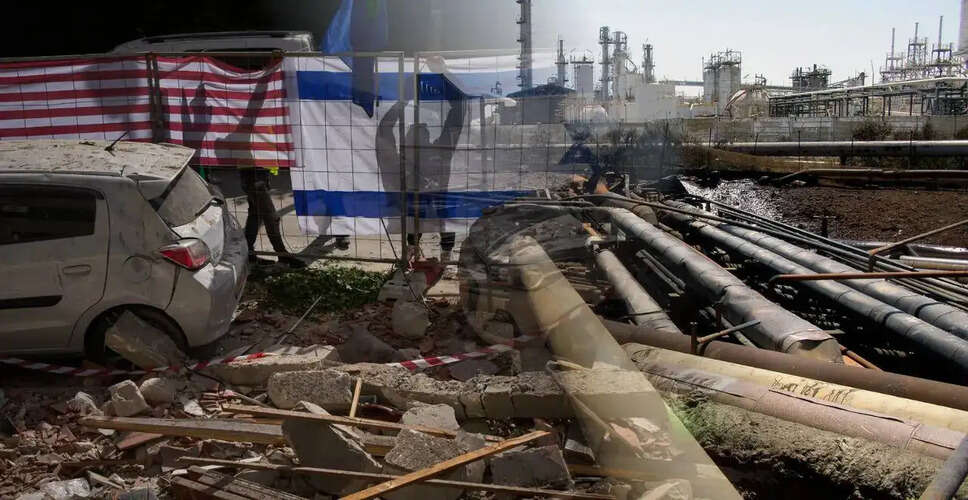
The ongoing conflict involving Iran has reached a critical juncture, particularly following Israel's reported attack on facilities associated with the South Pars gas field, the largest natural gas reserve globally. This strike introduces a significant risk factor that extends beyond traditional military engagements. Unlike previous military targets, this facility is integral to the energy infrastructure shared by Iran and Qatar, making its disruption impactful on a global scale.
The Significance of South Pars
Why South Pars Changes The Equation
South Pars is not merely a gas field; it plays a crucial role in Iran's domestic energy supply and is directly linked to Qatar’s North Dome, which is essential for Doha's liquefied natural gas (LNG) exports. This connection makes it a vital component of the global energy framework.
QatarEnergy’s Ras Laffan Industrial City to the north of Doha, Qatar's main site for the production of liquefied natural gas and gas-to-liquid, as well as the largest export terminal for LNG in the world, has been heavily targeted tonight by ballistic missiles fired by Iran.… pic.twitter.com/Ax9WaOjDAK
— OSINTdefender (@sentdefender) March 18, 2026
Wider Implications for Gulf States
Gulf States Move Into The Risk Zone
The repercussions of this strike extend beyond Iran. The energy infrastructure throughout the Gulf, including LNG terminals in Qatar and refining facilities in Saudi Arabia and the UAE, is densely interconnected and inherently vulnerable. Analysts warn that this concentration heightens the risk of significant disruptions from a single successful attack on any facility.
Potential for Escalation
The Retaliation Calculus
From Iran's viewpoint, this attack provides a new rationale for escalating their military responses. Iran has historically viewed assaults on its economic infrastructure as crossing a significant threshold, potentially justifying retaliation against Gulf state assets. Past incidents have shown that even minor disruptions can lead to sharp fluctuations in global energy prices, and the current situation is no exception.
The Broader Conflict Landscape
A Conflict Expanding In Scope
The timing of the strike is critical, coinciding with ongoing US-led operations aimed at Iranian military assets. This campaign has broadened across various domains, including air, maritime, and cyber operations, indicating a sustained effort against Iran.
Shifting Dynamics of Warfare
From Battlefield To Energy Theatre
The attack on South Pars is significant not only for the immediate damage but also for the precedent it sets. Until now, critical energy infrastructure has largely been spared from direct attacks. However, this restraint appears to be diminishing, potentially transforming the conflict from a military engagement to a broader disruption affecting global markets and economic stability.
Conclusion: A Pivotal Moment
A Threshold Moment
While the strike on South Pars may not redefine the conflict entirely, it marks a pivotal moment where the war increasingly intersects with global economic systems. In the Gulf, where energy infrastructure is both essential and vulnerable, the implications of this intersection extend far beyond regional borders. The situation remains dynamic, but it is clear that the Iran conflict is evolving beyond military targets to encompass economic stability as well.