
Escalating Houthi Threats Raise Concerns Over Global Trade Security

Rising Tensions in the Red Sea
Photo: IANS
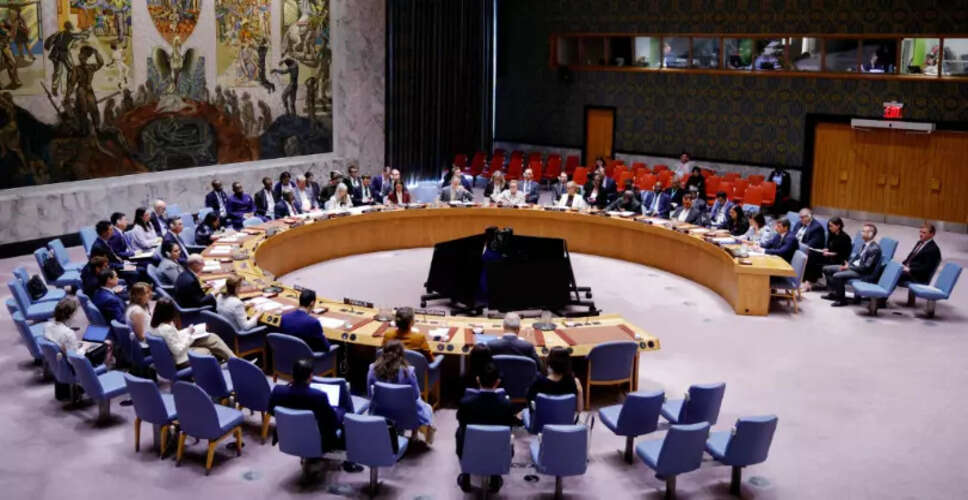
United Nations, Sep 16: As a significant threat to international trade emerges, diplomats at the Security Council have voiced their worries regarding the Houthis' advances in strategic areas controlling access to the Red Sea and the Suez Canal.
During an emergency session on Tuesday, Assistant Secretary-General Khaled Khiari reported that fighting has escalated along Yemen’s western coastline, with the Houthis reportedly seizing several islands in the southern Red Sea as they move towards the Bab al Mandab Strait.
He noted that the situation around the Bab al Mandab Strait has become increasingly unstable in recent days.
These developments at the strait, which is crucial for access to the Suez Canal via the Red Sea, highlight the urgent need to prevent Yemen’s conflict from further jeopardizing the security of this vital international maritime route.
Approximately 30% of the world’s container traffic and 12% of global trade transit through the Suez Canal.
Meanwhile, traffic through the Strait of Hormuz, which accounts for 20% of global oil and gas supplies, has significantly decreased, posing risks to economies worldwide.
If tensions at the Bab al Mandab Strait escalate and disrupt shipping, the world could face a severe dual crisis, as many have cautioned.
The Permanent Representative of Greece warned that with the ongoing crisis in the Strait of Hormuz, any escalation at the Red Sea's entrance would severely impact maritime security and global trade.
Saudi Arabia's Permanent Representative, Abdulaziz M Alwasil, whose nation has faced attacks from the Houthis, stated that these militias are attempting to choke the straits, effectively holding the global economy hostage.
The Houthi rebels receive support from Iran, and US representative Jennifer Locetta urged the Council to take action against Tehran for allegedly arming and directing them.
Bahrain's Permanent Representative, Jamal Fares Alrowaiei, emphasized that despite the Security Council's repeated condemnations, the Houthi militias continue to threaten navigation and vital maritime routes. He called for a more decisive response from the Council, a sentiment echoed by several other nations, although the Council remains paralyzed due to the divisions among its permanent members.
Abdullah Ali Fadhel al-Saadi, Yemen's permanent representative, stated that his government is working to halt the Houthis' advance along the west coast, which poses a threat to international shipping. He urged the Council to strictly enforce the arms embargo against the Houthis, highlighting the international implications of their escalation.