
ECB Increases Interest Rates Amid Rising Inflation Concerns
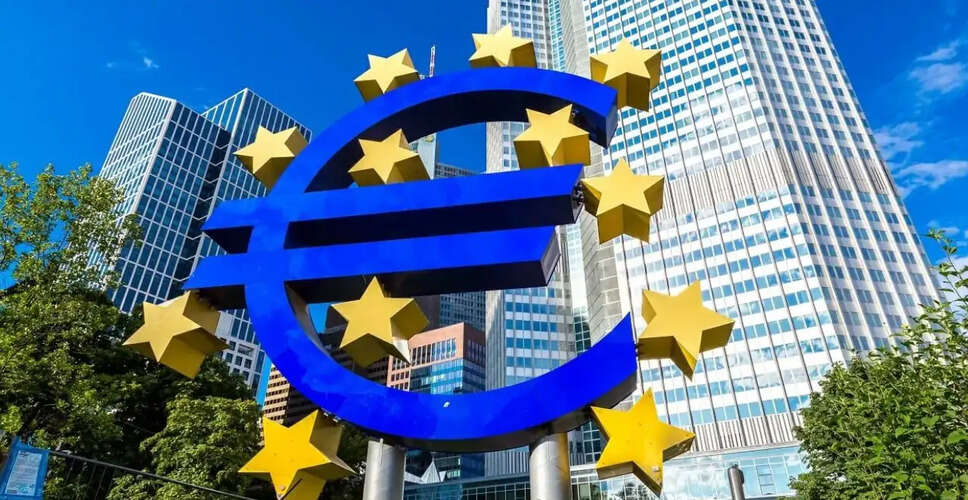

ECB Takes Action Against Inflation
On Thursday, the European Central Bank (ECB) announced its first interest rate hike since 2023, raising rates by 0.25 percentage points to 2.25%. This decision was influenced by escalating inflationary pressures stemming from the ongoing conflict in the Middle East and the extended closure of the Strait of Hormuz. The ECB's move marks a significant shift following a series of rate reductions in 2024 and 2025.
Energy prices across Europe have surged, pushing inflation rates well above the ECB's target of 2%. As of May, inflation in the eurozone reached 3.2%, primarily due to rising costs of oil, gas, fertilizers, and other commodities impacted by disruptions in Gulf shipping routes. The closure of the Strait of Hormuz, a crucial passage for global energy supplies, has heightened concerns regarding price stability and economic growth.
In conjunction with the rate increase, the ECB has revised its inflation forecasts upward for this year and the next, while simultaneously lowering its economic growth expectations. Officials have cautioned that the ongoing war is generating additional inflationary pressures throughout the region, creating uncertainty for both businesses and consumers.
This decision positions the ECB as the first significant central bank to tighten its monetary policy in light of the economic repercussions from the conflict. Other nations, including Australia, Norway, and South Africa, have also raised interest rates recently, while market observers are keenly watching whether the U.S. Federal Reserve and the Bank of Japan will take similar actions.
Despite the inflation spike, some economists are skeptical about whether increasing interest rates is the appropriate response. Critics point out that Europe is experiencing declining consumer confidence and slowing growth, raising fears that stricter monetary policies could further hinder economic activity.
ECB President Christine Lagarde is anticipated to offer more insights regarding the bank's future outlook and the potential for further rate hikes in the coming months, as policymakers strive to balance rising prices with the growing risks of recession.