
Ebola Outbreak in DRC Faces Severe Challenges Amid Attacks on Health Workers
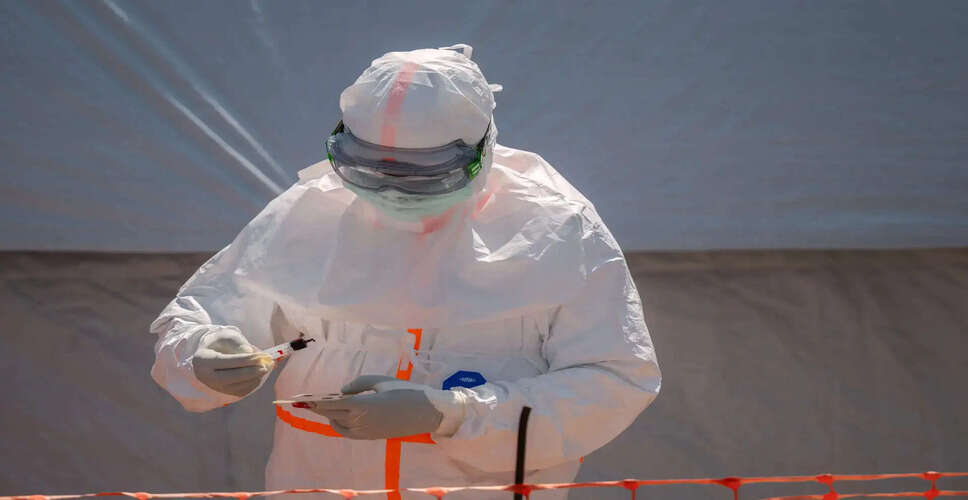

Escalating Violence Disrupts Ebola Response in DRC
Efforts to manage the rapidly spreading Ebola outbreak in eastern Democratic Republic of Congo are being severely hindered by a series of attacks on healthcare facilities and personnel. As of Saturday, authorities reported 2,181 cases, including 864 fatalities, marking this as the fastest-growing Ebola outbreak recorded to date. The outbreak is primarily attributed to the Bundibugyo strain of the virus, which currently lacks an approved vaccine or treatment.
The deteriorating security situation has compelled numerous health workers and humanitarian staff to abandon remote outbreak hotspots, relocating instead to the provincial capital, Bunia, which is perceived as safer. Pierre Akilimali, the incident manager for the Ebola response, noted that many of the assaults were executed by enraged mobs targeting treatment centers and medical teams in affected areas.
Dr. Adelard Lufongola, operations manager, highlighted that the violence has also jeopardized burial teams tasked with conducting safe funerals. He reported that some response team members have been taken hostage in certain health zones, while burial workers face threats in cemeteries and local communities.
Ebola transmission occurs through direct contact with infected bodily fluids, including blood, vomit, and semen, as well as contaminated surfaces. Resistance from the public has intensified against restrictions on traditional burial practices, which typically involve family members washing and preparing the deceased's bodies.
The eastern province of Ituri accounts for nearly 90% of all reported Ebola cases. Residents have indicated that health workers and aid organizations are increasingly withdrawing from remote communities and relocating to Bunia. The United Nations has voiced concerns regarding the deteriorating security situation, with spokesperson Stéphane Dujarric stating that humanitarian organizations are alarmed by the escalating violence that limits access to treatment centers and surrounding areas.
The most recent attack occurred on Wednesday in Nyakunde, where residents stormed a hospital and came into contact with a nearby Ebola treatment center. Officials reported that healthcare services resumed on Thursday after patients and staff returned, although there are fears that the chaos may have heightened the risk of further virus transmission.
Christophe Munyanderu, a civil society leader in Ituri's Irumu territory, cautioned that ongoing assaults on healthcare workers could significantly hinder efforts to control the outbreak. He expressed concern that the aid workers combating this Ebola outbreak might abandon the area, complicating the eradication efforts.
Authorities emphasize that the persistent violence, movement restrictions, and strikes by unpaid health workers are creating substantial barriers to managing one of the deadliest Ebola outbreaks the region has encountered in recent years.