
Ebola Outbreak in Central Africa: Urgent Global Health Alert

Overview of the Outbreak
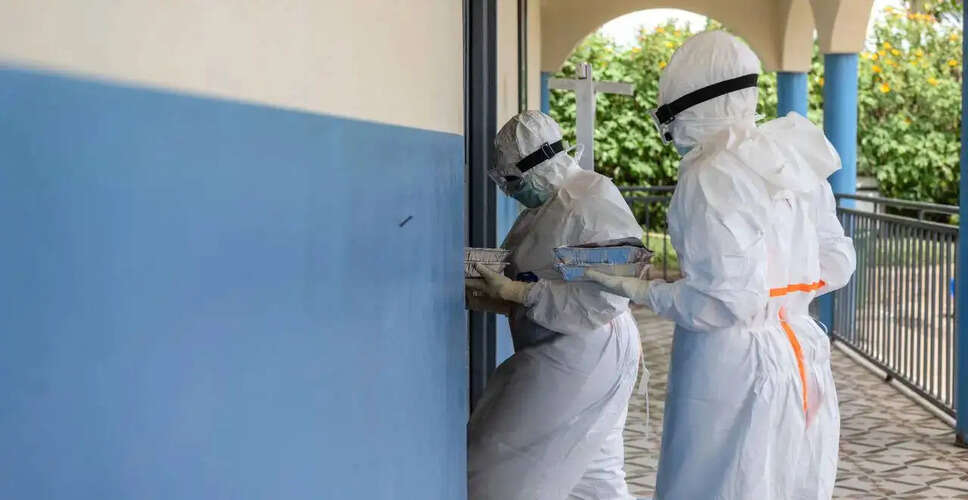
A rapidly spreading Ebola outbreak in central Africa has raised alarms among global health authorities. Here’s a comprehensive update on the situation, its origins, and implications for worldwide health.
Origin of the Outbreak
Where Did This Start?
The outbreak was officially recognized on May 17 in three provinces of the eastern Democratic Republic of the Congo (DRC): Ituri, North Kivu, and South Kivu. The outbreak is caused by the Bundibugyo strain, a rare and severe variant of Ebola, for which there is currently no approved vaccine or treatment available.
Since the World Health Organization (WHO) declared it a global health emergency on the same day, the situation has escalated rapidly. By Friday, confirmed cases in the DRC had surged to 225, nearly double the count from just two days prior. Authorities are also monitoring over 1,000 suspected cases and more than 220 suspected fatalities. The virus has also spread to Uganda, where nine confirmed cases and one death have been reported, including five cases in the capital, Kampala. This marks the DRC's 17th Ebola outbreak, with the first occurrence dating back to 1976.
Speed of Spread
How Fast Is It Spreading?
The outbreak is spreading at an alarming rate, prompting concern among public health experts. Doctors Without Borders (MSF) has labeled it as one of the fastest-spreading Ebola outbreaks ever documented. It has already surpassed the size of the previous Bundibugyo outbreak in the DRC from 2012, which lasted 98 days. WHO Director-General Tedros Adhanom Ghebreyesus visited Bunia, the epicenter of the outbreak, and highlighted the rapid spread as a major concern. The region's high population density and its status as a significant mining area contribute to the movement of large numbers of people, complicating containment efforts. Ongoing conflicts in the area further hinder response efforts.
MSF has cautioned that the true extent of the outbreak remains unknown, and the response has not kept pace with the virus's spread.
Understanding the Bundibugyo Virus
What Is the Bundibugyo Virus?
Bundibugyo is one of the three strains responsible for significant Ebola epidemics throughout history. It differs from the Zaire strain, which is the most prevalent and lethal form of Ebola, having caused the devastating outbreak in West Africa from 2014 to 2016 that resulted in over 11,300 deaths and more than 28,000 infections. The WHO has indicated that the Bundibugyo strain in the current outbreak could have a fatality rate ranging from 30% to 50%, similar to previous Bundibugyo outbreaks. Although the current fatality rate among confirmed cases is lower than this range, health officials emphasize that the complete picture is still unclear. There are two potential vaccine candidates for the Bundibugyo strain, but neither has progressed to human trials.
Transmission of Ebola
How Does Ebola Spread?
Ebola is not transmitted through the air like respiratory illnesses such as influenza or COVID-19. Instead, it spreads through direct contact with bodily fluids such as blood and saliva, as well as through contaminated surfaces. Contact with the body of someone who has succumbed to the virus is also a recognized transmission route.
In terms of contagiousness, each infected individual is estimated to transmit the virus to one or two others on average, making it significantly less contagious than measles. Initial symptoms include fever, headache, sore throat, fatigue, and muscle pain. As the disease progresses, it damages blood vessels and vital organs.
Global Response Measures
How Are Countries Responding?
In response to the outbreak, both Uganda and Rwanda have closed their borders with the DRC. The United States has also implemented restrictions on most travelers who have recently visited the DRC, Uganda, or South Sudan. However, Tedros has criticized border closures, arguing that they are ineffective and discourage transparent reporting of outbreaks, ultimately slowing down global responses. During his visit to Bunia, he emphasized the importance of local communities taking an active role in the response alongside international efforts led by the Congolese government, stating, "The communities understand the problems better, and they know the solution as well."