
DNC's 2024 Election Report Highlights Key Challenges for Democrats

DNC Releases Comprehensive Report on 2024 Election
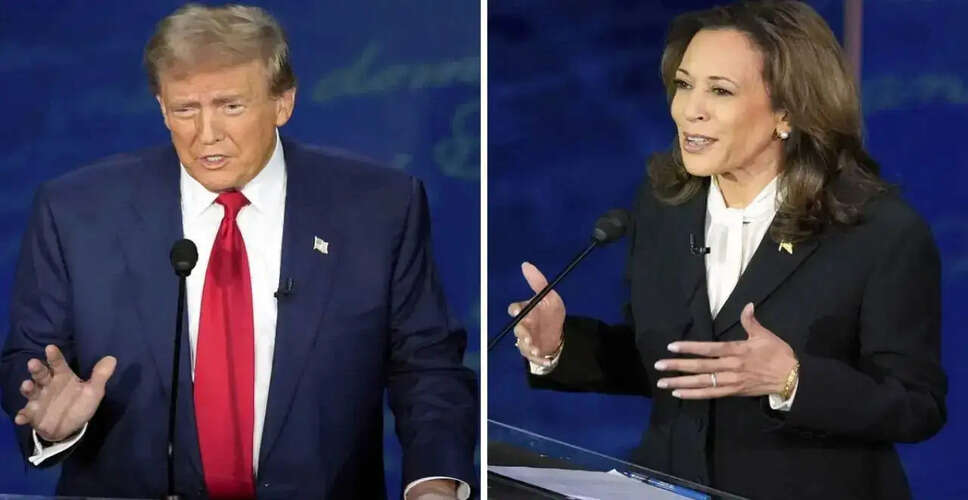
After enduring several months of internal conflicts and delays, the Democratic National Committee (DNC) has published its detailed analysis of the 2024 presidential election. This extensive 192-page document aims to shed light on how Donald Trump triumphed over Kamala Harris and outlines necessary changes for the party's future. However, the release came with a notable disclaimer. DNC Chair Ken Martin expressed his lack of endorsement for the report's conclusions, labeling it as "not ready for primetime" when he first reviewed it late last year. Despite his reservations, he chose to make it public, emphasizing the need for transparency. "I am not proud of this product; it does not meet my standards, and it won't meet your standards," Martin stated in a release accompanying the report. The document also includes a disclaimer indicating that many assertions within it could not be independently verified due to the absence of source materials, interviews, and data provided to the DNC. Annotations throughout the report highlight specific claims that lack supporting evidence.
1. Decline of the Democratic Party Since 2008
One of the most striking evaluations in the report is the assertion that the Democratic Party has been in a steady decline for almost two decades. The document indicates that the party has been "vacillating between stagnation and retrogression" since Barack Obama's historic victory in 2008 against the late Senator John McCain. This decline is not merely about losing the presidency; it points to a trend of narrow defeats across various elections that have gradually increased Republican institutional power. Thus, the outcome of the 2024 election is portrayed not as an abrupt failure but as a continuation of a long-term downward trajectory.
2. Inconsistent Messaging and Poor Planning
The report attributes significant blame to the Democrats' communication strategies, citing "inconsistent messaging and inadequate planning" as major factors contributing to losses in numerous races. It warns that the party cannot rely on running against Republicans perceived as deeply flawed or controversial. The report argues that simply hoping voters will reject the opposition is not a viable strategy; instead, Democrats must provide compelling reasons for voters to support them. "Regaining trust and confidence in the Party, where voters have an affirmative reason to support Democrats, will take a comprehensive strategy and considerable effort over multiple cycles," the report emphasizes.
3. Harris's Struggles with Key Demographics
The report delves into specific voting trends, contrasting Harris's performance with other Democrats who succeeded in the same election cycle. A notable comparison is made with North Carolina Governor Josh Stein, who won decisively while Harris faced challenges in the same state. The report highlights that Stein outperformed Harris among men, rural voters, and white voters without college degrees. It suggests that Harris focused too heavily on college-educated suburban voters, neglecting other crucial demographics. The report outlines a straightforward formula for success: strong turnout in urban areas, competitiveness in suburbs, and minimal losses in rural regions. While Stein achieved this balance, Harris fell short in rural areas nationwide, which the report indicates was a significant hurdle in battleground states.
4. Late Engagement with Younger Voters
Another concern raised in the report is the timing and method of the party's outreach to younger voters. It criticizes Democrats for failing to invest adequately in platforms frequented by younger audiences and for only targeting specific voting blocs in the final weeks before elections instead of fostering long-term relationships. The report specifically notes difficulties in connecting with young men of color, suggesting that effective engagement requires consistent, year-round efforts rather than last-minute advertising campaigns.
5. Significant Omissions in the Report
Perhaps the most telling aspect of the autopsy is what it lacks. Despite its length, the report does not include an introduction, a national overview, or a dedicated section analyzing the broader events of the 2024 election. Throughout the document, annotations point out claims that could not be verified, with notes indicating "no source material or data provided" appearing multiple times. Martin himself acknowledged that addressing these gaps would necessitate a complete overhaul of the report. Some Democrats, including Harris's campaign spokeswoman Adrienne Elrod, expressed gratitude for the report's release despite its shortcomings, stating, "Time to move on and channel our energy into winning the midterms." However, many within the party voiced frustration, particularly regarding the report's failure to address the impact of the Israel-Hamas conflict on the election outcome. Whether this document will ultimately assist the party in finding a clearer path forward remains uncertain, but it is evident that Democrats face many challenging discussions ahead.