
Diplomatic Stalemate Between Iran and the US Amid Rising Tensions

Negotiations Stall Amid Growing Pressure
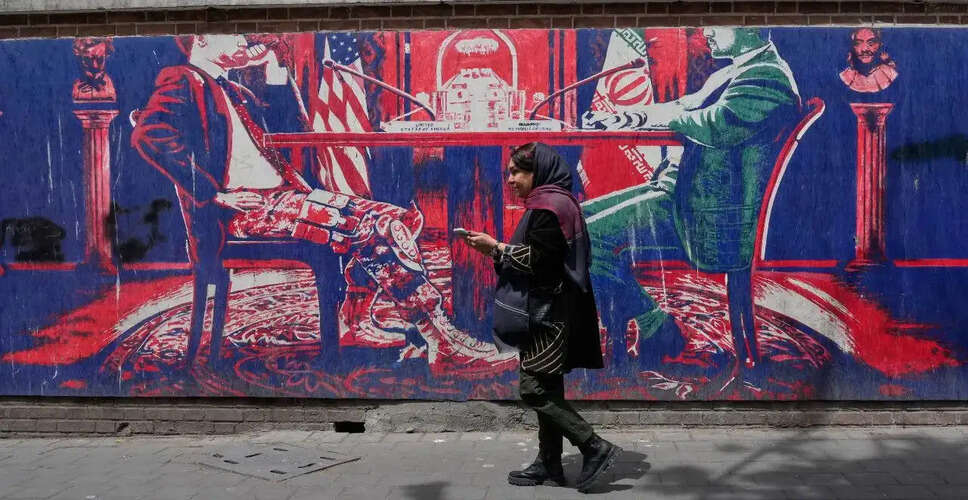
On Saturday, officials from Iran and the United States ended their discussions as both nations faced increasing economic and military pressures. Diplomatic efforts hit a snag this weekend after talks mediated in Pakistan did not yield results. Iran's foreign minister, Abbas Araghchi, who had discussions with senior Pakistani officials in Islamabad before heading to Oman and Russia, expressed uncertainty about the US's genuine commitment to diplomacy. Meanwhile, President Trump has adopted a more aggressive stance, canceling a planned delegation to Pakistan that included envoys Steve Witkoff and Jared Kushner. He asserted that the US holds all the advantages while Iran does not, stating, "If they want to talk, all they have to do is call!!!" This comment placed the onus of resuming negotiations on Tehran. Trump also mentioned he is "in no rush" to finalize an agreement, alleging, without evidence, that Iran's leadership is in disarray. In response, Iranian military and political leaders have issued unified statements to counter any notions of internal discord.
Increasing Pressure on Iran
Pressure on Both Sides
The diplomatic deadlock coincides with a tightening US naval blockade around Iran's vital economic channels, particularly its oil exports. American officials have characterized this initiative as an "iron-clad" operation designed to limit Tehran's access to international markets. Defense Secretary Pete Hegseth stated at a press conference, "To the regime in Tehran, the blockade is tightening by the hour. We are in control. Nothing in. Nothing out." This blockade follows Iran's attempts to disrupt shipping through the Strait of Hormuz, a crucial passage for global energy supplies, through which over 20% of the world's oil and gas is transported. The ongoing standoff has led to increased global energy prices and raised alarms about potential long-term disruptions in supply chains for oil, plastics, and fertilizers.
Economic Challenges in Iran
Economic Strain Inside Iran
Within Iran, the economic impact is becoming increasingly apparent. State-affiliated media report that approximately one million jobs have been lost, with an additional two million affected by the ongoing conflict. Furthermore, around 130,000 workers have reportedly lost their jobs due to strikes on industrial sites. Residents are experiencing significant price hikes for essential goods, with costs for items like chicken, rice, eggs, and medicine sometimes tripling or quadrupling, despite officials claiming there are no widespread shortages. Esfandyar Batmanghelidj, CEO of the think tank Bourse and Bazaar, noted, "Iran had already faced the maximum pressure campaign during Trump's first term. If the blockade persists for months, it will undoubtedly affect Iran's economic outlook, but Iranian leaders believe the US cannot withstand that pressure for long either."
Adapting to Wartime Conditions
The Economic War
Iran's leadership seems to be adjusting to the realities of wartime conditions. Officials have framed the economic difficulties as an unavoidable outcome of conflict while promoting domestic production. The government claims that 85% of agricultural products and essential goods are sourced locally. Batmanghelidj remarked, "For Iran's leadership, the aim during wartime is not to maintain a normal economy but to keep the economic machinery functioning as effectively as possible for as long as possible." President Masoud Pezeshkian acknowledged fuel shortages but referred to the nation's resilience as a form of "divine grace." Concurrently, Iran's Supreme Leader, Mojtaba Khamenei, urged citizens in a written statement to "be considerate of one another to alleviate the pressures caused by shortages — a natural effect of any war."
Implications for Both Nations
What it Means For Both Sides
For Tehran, the current situation may present a unique opportunity. Just months ago, widespread protests over economic mismanagement had put the government under considerable pressure. However, the ongoing conflict has allowed authorities to recast domestic challenges as part of a larger national struggle. Simultaneously, Trump is facing increasing political pressure domestically, including rising fuel prices and the upcoming midterm elections. This has resulted in a strategic standoff where both sides seem to be testing each other's resilience — economically, politically, and diplomatically. The question remains whether either side is willing to make concessions. For now, both Washington and Tehran are left wondering: who will yield first?