
Diplomatic Efforts Intensify Amid US-Israel Tensions Over Iran

Diplomatic Efforts Underway
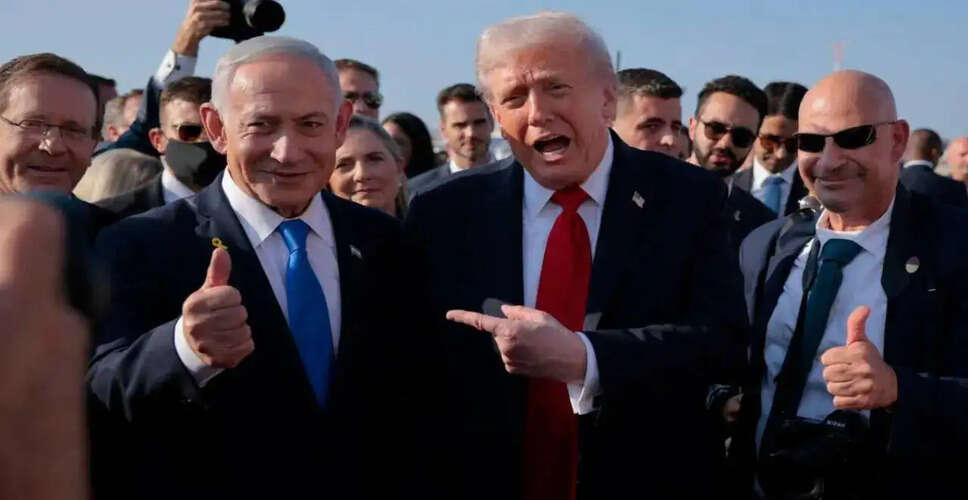
A renewed diplomatic initiative aimed at resolving the ongoing conflict with Iran has escalated tensions between the United States and Israel. A challenging phone conversation between Donald Trump and Benjamin Netanyahu has emerged as a focal point of this situation, as reported by a news outlet.
Emerging Peace Proposal
Despite the ongoing hostilities, regional mediators remain committed to finding a resolution. Qatar and Pakistan, in collaboration with Saudi Arabia, Turkey, and Egypt, have been refining a new peace proposal designed to bridge the gaps between Washington and Tehran. An Arab official mentioned that the objective is to secure clearer commitments from Iran regarding its nuclear ambitions while also obtaining a detailed plan from the U.S. on the gradual release of frozen Iranian assets. Recently, Qatar presented a new draft to both parties, although sources indicated that there is no distinct Qatari document, and Doha is merely attempting to address the shortcomings of a previous Pakistani proposal. Additionally, a Qatari delegation visited Tehran earlier this week for direct discussions with Iranian officials.
Trump's Stance on Negotiations
Trump has expressed optimism about the possibility of reaching an agreement but has not dismissed the option of military action should negotiations fail. During a speech at the Coast Guard Academy, he stated, "The only question is whether we finalize it or if they will be signing a document. We will see what unfolds." He also remarked that Netanyahu "will do whatever I want him to do" regarding Iran, while maintaining that their relationship is generally positive. Although the two leaders have had disagreements over Iran in the past, they have mostly aligned throughout the conflict.
Netanyahu's Skepticism
In contrast, Netanyahu holds a more cautious view. He is reportedly doubtful that any agreement with Iran is currently worthwhile. Sources indicate that he prefers to take military action against Iran's critical infrastructure to further weaken the regime. This divergence in approach became evident during a lengthy phone call between the two leaders, described by three sources as "difficult." Trump proposed a "letter of intent" for both the U.S. and Iran to sign, which would formally conclude the war and initiate 30 days of negotiations regarding Iran's nuclear program and the opening of the Strait of Hormuz. Netanyahu expressed dissatisfaction with this plan. Two Israeli sources noted that the leaders disagreed on the way forward, with one U.S. source commenting that "Bibi's hair was on fire" following the call. Israel's ambassador to Washington conveyed Netanyahu's concerns to U.S. lawmakers, although an embassy spokesperson refuted this account, stating that the ambassador does not discuss private conversations.
Iran's Conditions for Negotiation
Iran has acknowledged that it is reviewing the updated proposal but has not indicated a willingness to make significant concessions. The spokesperson for Iran's foreign ministry outlined the prerequisites for successful negotiations: the U.S. must cease what Iran describes as "piracy" against its vessels, release frozen funds, and Israel must halt its military actions in Lebanon. Whether these conditions can be satisfied within the current negotiation framework remains uncertain. All three sources who spoke to the news outlet emphasized that it is far from guaranteed that Iran will accept the new draft or soften its position.
Looking Ahead
Netanyahu is anticipated to seek a visit to Washington in the upcoming weeks for a direct meeting with Trump. With both sides still significantly apart and mediators working diligently to close the gaps, this meeting could be pivotal in determining whether diplomacy or military action will dictate the future course of events regarding Iran.