
Did US-Iran Talks in Pakistan Fail to Build Trust? Insights from Ghalibaf
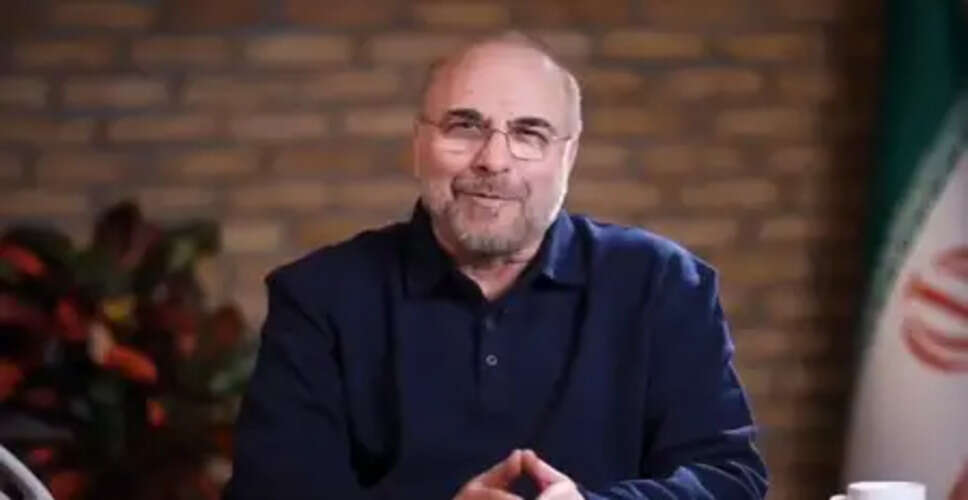

US-Iran Negotiations Fall Short in Pakistan
Islamabad: Recent negotiations between the United States and Iran in Pakistan aimed at addressing the West Asia conflict did not succeed in establishing trust, according to Mohammad Bagher Ghalibaf, the chief Iranian negotiator.
Ghalibaf, who serves as the Speaker of the Iranian Parliament, expressed disappointment after the lengthy discussions failed to yield an agreement.
In a series of updates on X, he noted that while the Iranian team proposed progressive initiatives, the US delegation ultimately did not gain their confidence during this round of talks.
He highlighted that despite their willingness to engage in good faith, past experiences from two previous wars have led to a lack of trust in the US.
Ghalibaf remarked that the US now understands Iran's principles and must decide if it can earn their trust moving forward.
He emphasized that Iran's approach combines strong diplomacy with military readiness to defend the rights of its citizens.
According to him, this dual strategy is essential for achieving the rights of the Iranian people, and they will continue to build on the achievements made during the past forty days of national defense.
He expressed gratitude to Pakistan for facilitating the discussions and praised the Iranian public for their support of the negotiation team.
US Vice President JD Vance, who led the American side, confirmed that the talks did not result in a peace agreement, primarily due to Iran's refusal to abandon its nuclear program.
Vance stated that they left with a straightforward proposal, which he described as their final and best offer, leaving it to the Iranians to decide.
The negotiations, brokered by Pakistan, commenced on Saturday, shortly after a six-day ceasefire was announced.
This marked the first high-level direct engagement between the US and Iran since the Islamic Revolution in 1979.
The conflict escalated following US and Israeli attacks on Iran on February 28, which severely impacted global energy markets and trade.
Iran had presented a ten-point agenda for the discussions, which included demands for the withdrawal of US troops from West Asia, lifting sanctions, and allowing Iran to manage the Strait of Hormuz.
The inability to reach an agreement raises concerns about the sustainability of the fragile two-week ceasefire and the potential reopening of the Strait of Hormuz to stabilize global energy supplies.