
Deadly Explosion in Myanmar Claims Over 45 Lives

Tragic Incident in Northeastern Myanmar
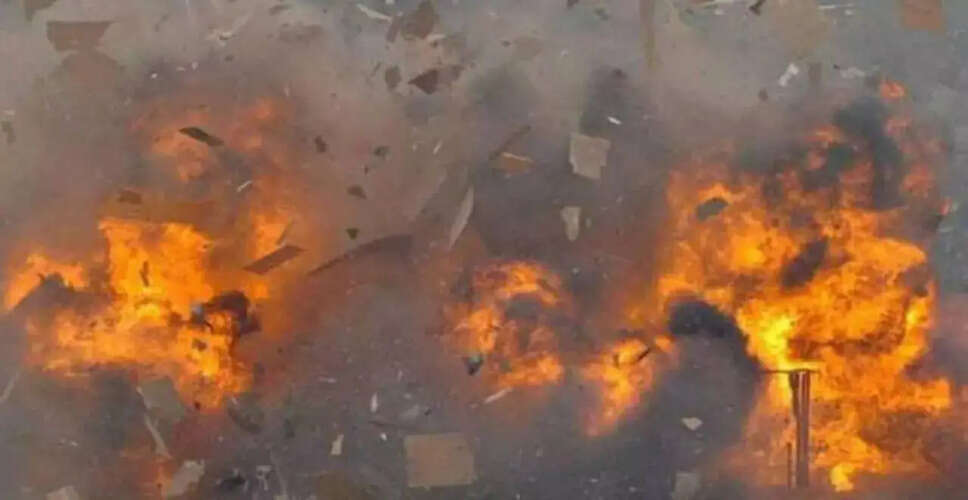
A devastating explosion at a facility storing mining explosives in northeastern Myanmar has resulted in the deaths of more than 45 individuals, with many others injured, as reported by rescue teams and independent media sources. The incident took place around noon on Sunday in Kaungtup village, located in Namhkam township, an area near the border with China, currently controlled by the Ta’ang National Liberation Army (TNLA), an ethnic armed group engaged in ongoing conflict with Myanmar's central military government.
Heavy Casualties Reported
Rescue workers on the scene reported extensive destruction. By Sunday evening, 46 bodies, including six children, had been recovered and prepared for cremation. Another local rescuer estimated that approximately 45 individuals lost their lives, with over 100 homes in the vicinity suffering damage, according to reports. At least 74 injured individuals were taken to a township hospital, and emergency operations continued into the night as teams searched for any remaining survivors. Various Myanmar media outlets reported differing death tolls, with some estimating fatalities between 50 and 55. Images and videos shared online depicted thick smoke billowing from the explosion site, alongside collapsed structures and debris scattered across the area.
A serious #explosion occurred at noon on Sunday in Kaungtat village in Nankham township, #Myanmar. Thick smoke rose from the blast site, and several buildings were damaged. Local #fire and rescue teams have arrived at the scene to assist. The cause of the incident and details… pic.twitter.com/KNtYq4NelL
— CCTV Asia Pacific (@CCTVAsiaPacific) May 31, 2026
Investigation into the Cause of the Explosion
Initial reports indicate that the explosion occurred at a location where large amounts of gelignite, a potent industrial explosive frequently used in mining, were stored. The TNLA confirmed that these explosives were held by its economic department for mining operations and stated that an investigation into the cause of the explosion is currently underway. Concerns have been raised regarding the stability of gelignite if not stored properly, suggesting that unsafe handling or storage conditions may have played a role in the incident.
Conflict Zone and Ongoing Instability
The explosion took place in a region controlled by the TNLA, part of the Three Brotherhood Alliance, which has been in armed conflict with Myanmar's military for several years. The group expanded its territorial control following a significant offensive launched in late 2023. Although a ceasefire agreement mediated by China was signed by the TNLA in 2025, tensions with the military remain high, and sporadic fighting continues in northern Myanmar. Since the military coup in February 2021, which ousted the elected government of Aung San Suu Kyi, Myanmar has been in a state of turmoil, leading to widespread protests, violent crackdowns, and the emergence of multiple armed resistance groups.
Ongoing Relief Efforts
Local authorities and rescue teams are actively providing medical assistance, relief supplies, and resettlement support to those affected. However, access to the area is challenging due to ongoing instability and its remote location near the border. As investigations proceed, officials are working to ascertain whether the explosion resulted from improper storage, accidental detonation, or other factors related to the volatile conditions at the site. This incident adds to the growing list of tragedies in Myanmar's conflict-affected regions, where inadequate infrastructure, military tensions, and the presence of explosive materials pose significant risks to civilians.