
Danish PM's Controversial Stance on Children's Social Media Use Sparks Global Debate
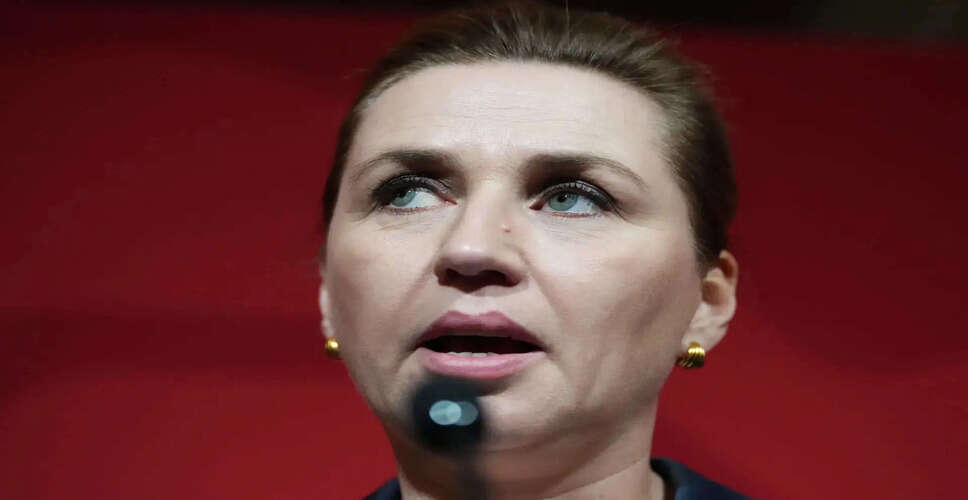

Danish Prime Minister's Bold Statement
Mette Frederiksen, the Prime Minister of Denmark, has ignited a significant international discussion regarding the safety of children online. She controversially stated that she would prefer her young children to smoke rather than use social media unsupervised. Frederiksen remarked, "If I had small kids today, I would rather have them smoking than allowing them to stay on their own on social media." This statement coincides with Denmark's plans to enhance regulations concerning minors' digital access, including a potential ban on social media for those under 15 years old.
Concerns Over Social Media Risks
Frederiksen's comments were made amid rising worries in Europe about the psychological and social effects of social media on children. She emphasized that unmonitored online exposure could be more detrimental than often recognized, even making a provocative analogy to smoking to stress the gravity of the situation. Her statement has been interpreted as a strong assertion of her belief in the negative impact of unrestricted digital platforms on children's mental health, focus, and overall development.
Denmark's Policy Shift
Denmark is advancing towards stricter regulations on social media access for minors, aligning with a broader European movement aimed at enhancing child online safety laws. The proposed regulations seek to reduce exposure to addictive algorithms, harmful content, and excessive screen time for younger users. Advocates of these measures argue that they are essential for safeguarding children in an increasingly digital world, where many platforms lack adequate protections for younger audiences.
Mixed Reactions to the Comparison
Frederiksen's analogy has elicited varied responses. Proponents believe it highlights a critical issue that governments have been slow to tackle. Conversely, critics argue that likening social media use to smoking is an oversimplification of a multifaceted issue that encompasses education, parenting, and the responsibilities of digital platforms. Child safety advocates have long cautioned about the repercussions of unrestricted social media use, including anxiety, cyberbullying, and sleep disturbances among adolescents.
Global Discussion on Children's Technology Access
These remarks contribute to a broader global dialogue regarding the extent to which governments should regulate children's access to technology. Numerous countries are currently considering age restrictions, parental controls, and stricter accountability measures for platforms. As Denmark progresses with its proposed regulations, Frederiksen's comments are expected to keep this critical conversation at the forefront, both in Europe and worldwide.