
Cyclone Ditwah Devastates Sri Lanka: A Humanitarian Crisis Unfolds
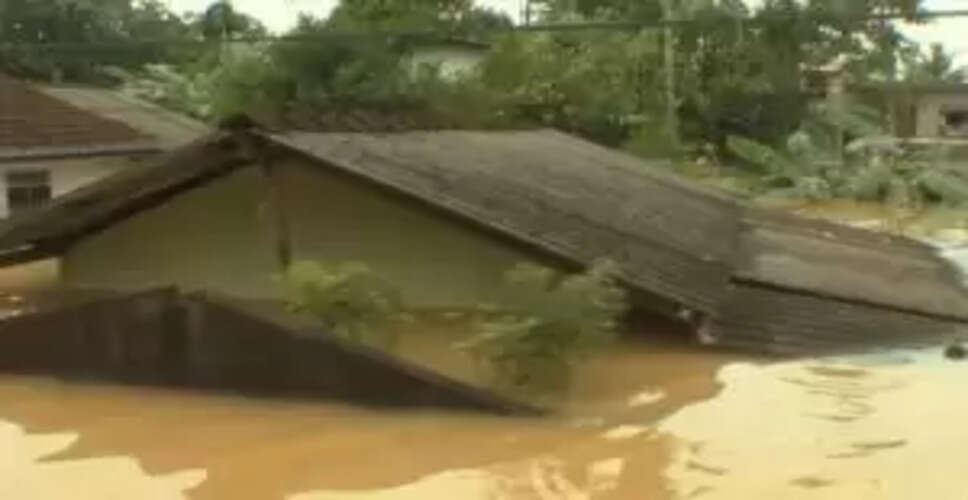
Impact of Cyclone Ditwah on Sri Lanka
Colombo: UNICEF reported that nearly 300,000 children are part of the 1.4 million individuals impacted by Cyclone Ditwah.
Sri Lanka is currently facing severe flooding, landslides, and infrastructure damage due to Cyclone Ditwah, which has left numerous districts cut off and significantly challenged the nation's disaster response efforts.
As of Monday, the death toll has reached 390, with 352 individuals still unaccounted for, following catastrophic floods and landslides triggered by extreme weather since November 16.
UNICEF's statement highlighted that the cyclone has plunged children across Sri Lanka into a worsening humanitarian crisis. The storm made landfall on the East Coast on November 28, leading to extensive flooding and destructive landslides.
Preliminary assessments indicate that over 275,000 children are among the affected population, although communication disruptions and blocked access routes suggest that the actual figure could be even higher.
The organization emphasized that the cyclone will exacerbate the challenges faced by Sri Lanka's most vulnerable communities, who are still recovering from previous crises, including the economic downturn in 2022.
A World Bank report from 2025 indicates that poverty levels have more than doubled since 2019, increasing from 11.3% to 24.5%. For countless families, basic necessities are becoming increasingly unaffordable, according to UNICEF.