
Cross-Border Trade Highlights Economic Struggles of Iranians
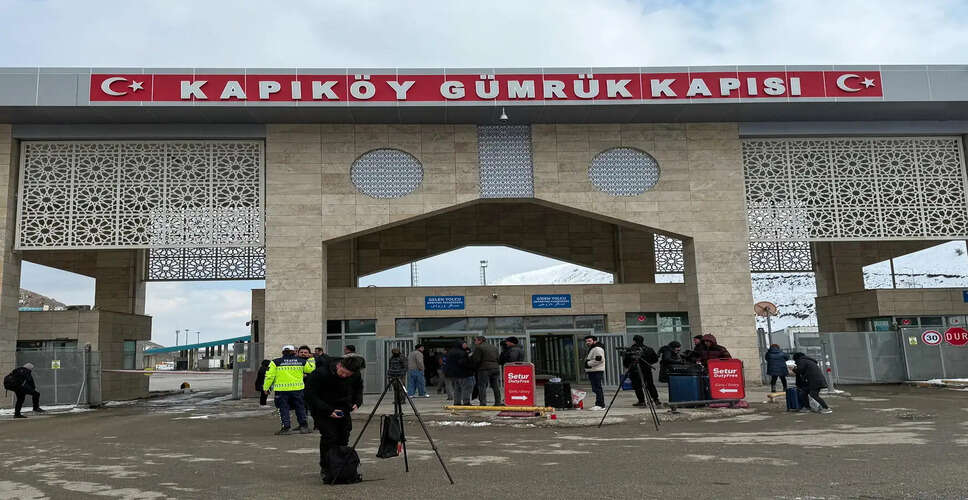

Economic Challenges at the Kapikoy Crossing
At the bustling Kapikoy land border between Turkey and Iran, a simple scene reveals the broader economic difficulties faced by many Iranians. Merchants are actively selling cooking oil, with customers from Iran crossing over to purchase large containers of olive, sunflower, and corn oil. Many individuals carry four- or five-liter bottles back home, either for personal use or to resell at a profit. Recently, this trade has surged due to escalating prices and shortages in Iran.
Maryam, an Iranian woman, shared that she and her husband typically trade cigarettes but have shifted to cooking oil for better profits. In Turkey, a five-liter bottle is priced just above $10, allowing her to sell it in Iran at a lower rate than local shops while still earning about $2. Like many others, she preferred not to disclose her full name due to fears of repercussions from Iranian authorities.
Shopkeepers on the Turkish side also expressed caution, requesting anonymity to avoid interference from officials. The economic crisis in Iran, exacerbated by ongoing conflicts, has unexpectedly benefited these merchants. Despite reports of postponed peace talks between the United States and Iran, the focus here remains on the steady influx of customers.
The Kapikoy crossing, located near Van in Turkey, has emerged as one of the few reliable links for Iranians to the outside world. With Iran's airspace largely closed for the past two months due to conflict and a government-imposed internet blackout, many citizens have found themselves cut off from vital information.
This small-scale oil trade reflects a much larger issue: the severe inflation that has plagued Iran for years, which has recently intensified. The International Monetary Fund estimates that Iran's inflation rate could reach nearly 70 percent this year, marking the highest level since at least 1980.
Individuals at the border discussed the rising costs of food in a country where the minimum wage is approximately $108 per month. The war has led to significant disruptions, including widespread layoffs and damage to industrial sectors from airstrikes. Many families are now struggling to afford basic necessities.
The spike in cooking oil prices began in January when the government eliminated subsidies on essential imports to cut state spending amid international sanctions on Iran's oil exports. President Masoud Pezeshkian noted that the previous subsidy system had been exploited by certain groups without benefiting the public. Following this change, many Iranians reported difficulties in finding cooking oil in stores.
To mitigate the impact, the government introduced a small monthly cash payment of about 10 million Iranian rials, roughly $7. However, experts are skeptical that this amount will significantly alleviate the financial strain on families facing such immense pressure.
Milad, a resident of Khoy, acknowledged the price increases following the subsidy cuts but believed it had reduced corruption by 'mafias' who previously profited from the system. Nevertheless, he and his wife still opted to buy oil in Turkey to take back home.
For many, the relief provided by cross-border shopping is minimal compared to their daily struggles. Bibijan, a 71-year-old woman from Tehran, recounted paying around $14 (22 million rials) for just three small chickens, a stark contrast to earlier times when she could purchase five or six for much less.
A couple working in garment manufacturing expressed their concerns, having been unemployed for six months even before the war began. They feared that if conditions continued to deteriorate, desperate individuals might resort to stealing food to feed their families.
The Iranian government has faced numerous protests over economic issues in recent years, with the latest wave in January resulting in a severe crackdown, including executions and pressure on citizens to remain indoors.
The continuous flow of people transporting cooking oil at the border serves as a poignant reminder of a nation under immense pressure. While this cross-border trade offers a slight reprieve for some, it highlights how the combination of war, sanctions, subsidy reforms, and soaring inflation has turned even basic necessities into a daily struggle for ordinary Iranians.