
Concerns Rise Over US Military Leadership Amid Iran Tensions
Military Officers Allegedly Defy Orders
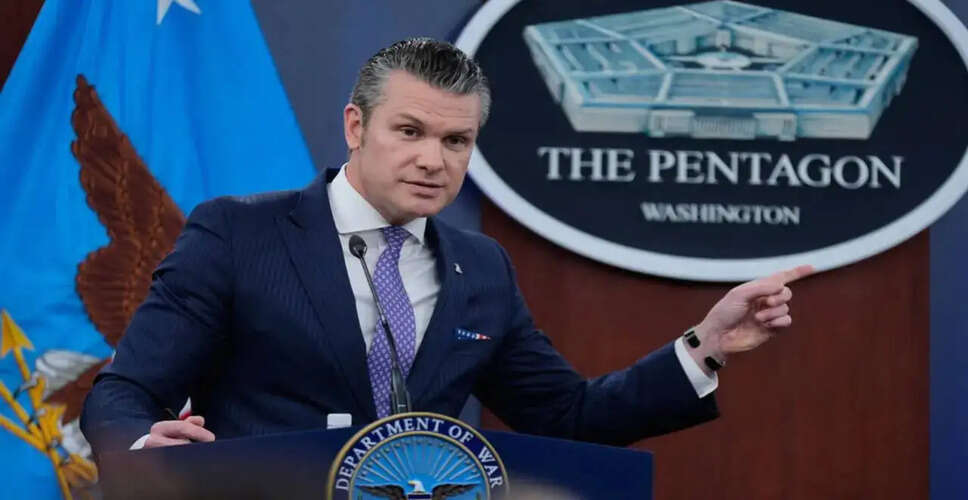
Recent online discussions have suggested that a number of high-ranking US military officials may have resisted directives from Donald Trump regarding a possible ground invasion of Iran. This speculation follows the recent dismissal of General Randy George, the Army's chief officer, by Defence Secretary Pete Hegseth. On the same day, two other senior military figures, including the Army's leading chaplain, were also let go. However, these claims remain unverified by official sources. Defence Department spokesperson Sean Parnell expressed gratitude towards Gen George for his "decades of service," announcing that his retirement would be effective immediately, wishing him well.
Rumors of dissent within military ranks have proliferated on social media platforms. A post from a Russian state-affiliated outlet claimed, "COUP AS DOZENS OF GENERALS REFUSE TRUMP ORDERS — REPORTS." Another viral post on Facebook suggested that "30 US Generals" were against a ground invasion of Iran, alleging that several officers, including the chief of staff, had been dismissed as a consequence. Some posts further warned that a military offensive could result in significant humanitarian and military disasters. However, none of these claims have been independently substantiated.
The recent firings occur against a backdrop of escalating tensions in the Middle East and speculation regarding the potential expansion of US military operations against Iran beyond airstrikes. General George, appointed by former President Joe Biden in 2023, was a distinguished veteran of the Iraq and Afghanistan conflicts. His removal reportedly followed disagreements with Hegseth concerning the promotion of several Army colonels, particularly those from Black and female backgrounds.
Experts and former officials have voiced concerns that the ousting of senior officers could hinder honest military counsel during this critical juncture. These dismissals appear to be part of a larger trend; last October, Hegseth dismissed Gen James Mingus, the Army's vice chief of staff, in what critics labeled an effort to eliminate officers perceived as misaligned with the administration's objectives. The administration has also seen the removal of top legal officials across the military branches.
In an open letter last year, five former US defence secretaries raised alarms about the implications of such actions, suggesting they could politicize the military and diminish legal checks on presidential authority. Among the signatories was retired Gen Jim Mattis, who served during Trump's first term. They cautioned that talented individuals might be less inclined to pursue military careers if they feel subjected to political scrutiny. They also warned that current service members might hesitate to speak candidly to leadership, potentially eroding public trust in the military.
A survey conducted by the Reagan Institute indicated that confidence in the US military has dropped to approximately 50%, a significant decline from 70% in 2018, with a growing partisan divide between Democrats and Republicans. Retired Gen CQ Brown, who was removed from his position last year, encouraged active personnel not to lose hope. "Don't throw in the towel," he advised during a lecture at Harvard University, noting that a decreasing public familiarity with the military could further undermine trust. "The tough part here is that we have a smaller and smaller part of the population that actually knows somebody in the military," he stated. "And the less you know about the military, the harder it is for you to have that trust." Recent leadership changes have also included the dismissals of Adm Linda Fagan and Adm Lisa Franchetti, the first women to lead their respective branches. While the broader implications of these leadership shifts remain uncertain, there is currently no verified evidence supporting claims that US generals have defied orders regarding a ground invasion of Iran.