
Concerns Rise Over Potential Expansion of Conflict Following Missile Strike in Bahrain
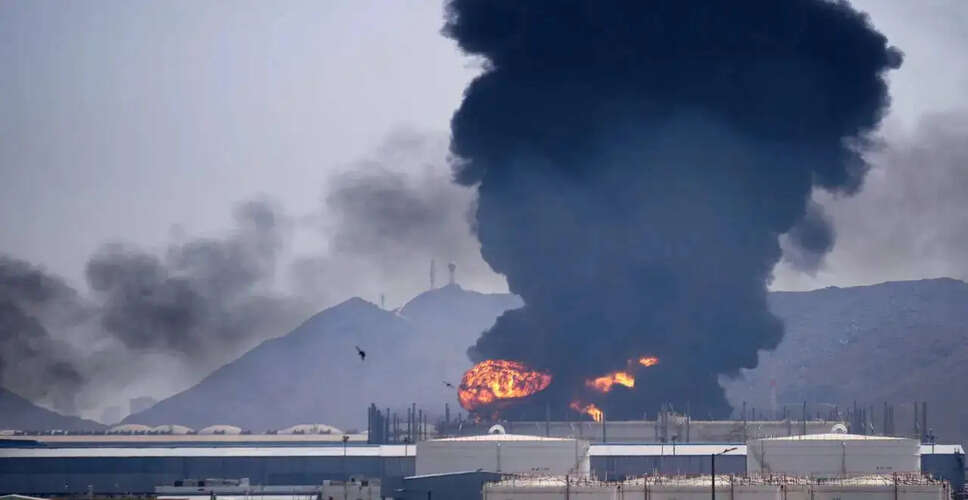
Missile Strike Raises Alarms
A missile strike reportedly targeting the Batelco headquarters in Hamala has sparked new worries regarding the escalating nature of the conflict involving Iran. Initial reports suggest a shift towards targeting corporate entities. Local sources shared by regional media indicate that missiles struck the facility, which serves as the main hub for Bahrain’s largest telecommunications provider. This site is also linked to infrastructure that supports Amazon Web Services in the area, although the full extent of the damage and any operational impacts remain uncertain. As of now, Bahraini officials have not provided a comprehensive statement regarding the incident.
#BREAKING: Iranian missiles have struck Batelco headquarters in Hamala, Bahrain, the largest telecommunications company in the country, which hosts Amazon Web Services, locals tell Rerum Novarum. Just yesterday, Iran said it would begin striking U.S. companies. This appears to… pic.twitter.com/JmhC8kz6vv
— Global Report (@Global_ReportHQ) April 1, 2026
Strategic Importance of the Site
A Sensitive Site With Global Linkages
The Hamala facility is crucial for Batelco's operations and is intertwined with regional digital infrastructure, including services related to Amazon Web Services. This connection has garnered immediate attention, as in contemporary conflicts, data infrastructure often serves multiple purposes beyond commercial interests. It can be integral to logistics, communications, and even governmental operations, blurring the lines between civilian and strategic targets.
However, it remains unproven whether this linkage made the site a deliberate target. It is also possible that the strike was intended for a different asset nearby, as the dense urban environments in Gulf states can complicate attribution.
Iran's Warning and Its Implications
Iran’s Warning — And Its Timing
The timing of the strike is particularly noteworthy. Just hours prior, the Islamic Revolutionary Guard Corps had issued a statement indicating that American companies in West Asia could be targeted if further Iranian leaders were killed. This warning was explicit, naming significant global firms and advising employees to vacate their workplaces. This development signifies a potential expansion of the conflict's scope, and the incident in Bahrain is being interpreted cautiously as a possible initial test of that warning. However, analysts urge restraint, as there is currently no official attribution linking the strike to the IRGC or any specific operational directive.
Potential Shift in Targeting Strategy
A Possible Shift — Or A Misread Moment
If corporate-linked infrastructure is indeed becoming a target in this conflict, it would represent a significant change in strategy. Previously, attacks have primarily focused on military sites, missile installations, and energy infrastructure. Broadening the target list to include telecommunications or cloud-related facilities could introduce new risks for both governments and private sector entities in the region. Nonetheless, caution is advised, as conflicts often produce moments that seem to indicate escalation, only to later be reclassified as isolated incidents or misinterpretations.