
Concerns Rise Over Paramount's Proposed Merger with Warner Bros. Discovery
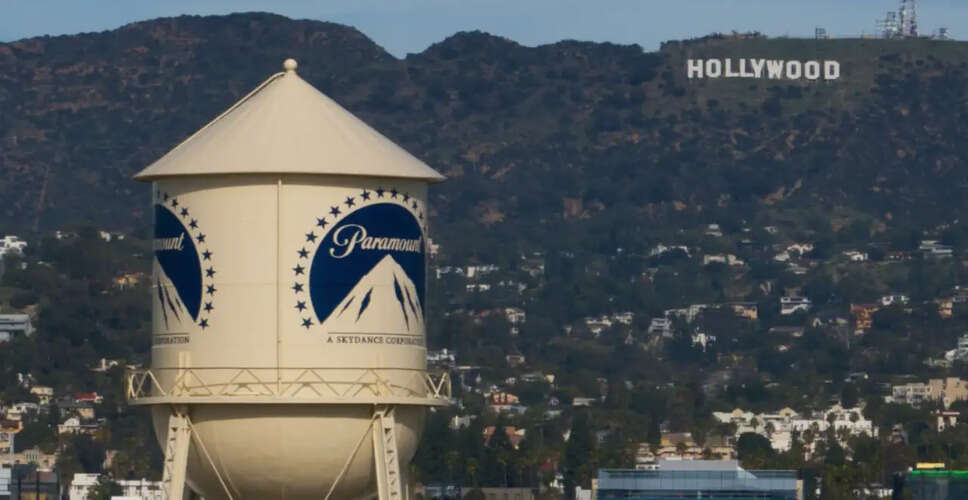

Gathering at Lumiere Music Hall
Approximately 100 individuals convened at Lumiere Music Hall in Los Angeles on Saturday for the inaugural event of the "Main Street vs. The Merger" tour. This gathering united entertainment professionals, small business proprietors, and politicians who oppose Paramount Skydance's ambitious $110 billion bid to acquire Warner Bros. Discovery. Organized by advocacy groups, including the Writers Guild of America, the event aimed to spotlight the potential repercussions of increased media consolidation on employment and market competition.
Stand-up comedian Adam Conover expressed his deep concerns regarding the ongoing trend of media mergers, labeling it a critical threat to Hollywood and its workforce. "It's about to die, and that's why I feel so passionately about this issue," he stated, according to reports.
Hollywood's Current Challenges
Why Hollywood is under pressure
The anxiety surrounding the merger arises amid existing pressures on California's entertainment sector. The Milken Institute reported a loss of 17,234 jobs in the entertainment industry from 2019 to 2023, attributing this decline to diminishing television advertising revenues and a slowdown in streaming growth, which have compelled studios to relocate productions to more affordable areas.
Production activity has also seen a downturn, with Hollywood sound stage occupancy dropping to 62% in the first half of 2025, a significant decrease from near-full occupancy in 2016, as noted by FilmLA. Furthermore, the International Alliance of Theatrical Stage Employees (IATSE), representing 170,000 behind-the-scenes workers, reported that its members logged approximately 36% fewer hours compared to 2022.
Voices of Concern
Among those expressing apprehension was Matt Radecki, co-founder of the Los Angeles-based post-production firm Different by Design. He cautioned that a merger between Paramount Skydance and Warner Bros. Discovery could limit the number of buyers for documentary films, referencing the Oscar-winning documentary "Navalny," produced by Warner-owned HBO Max and CNN Films. "This is the biggest thing that we've faced," Radecki remarked to attendees. "The places we work with are closed ... They're gone, and they're never coming back, and we don't want to see that happen to HBO or CNN or CNN Films."
Critics argue that the merger could further diminish opportunities for creative professionals and independent producers by consolidating power among fewer media entities.
Regulatory Landscape
Despite these concerns, US antitrust regulators seem inclined to approve the merger, as Paramount Skydance contends that the deal would not adversely affect rival studios or creative talent. CEO David Ellison has assured that the merged entity would continue to be a significant producer, committing to release at least 30 films each year.
However, opposition is growing. A coalition of US states, including California and New York, is reportedly preparing a lawsuit to challenge the merger, according to sources familiar with the situation. Critics of the deal highlight a lesser-known aspect of antitrust law, which allows mergers to be contested not only for reducing consumer competition but also for limiting competition for workers. This argument was successfully employed in 2022 when regulators blocked Penguin Random House's proposed acquisition of Simon & Schuster.