
Concerns Rise as New Nipah Virus Cases Emerge in Kolkata
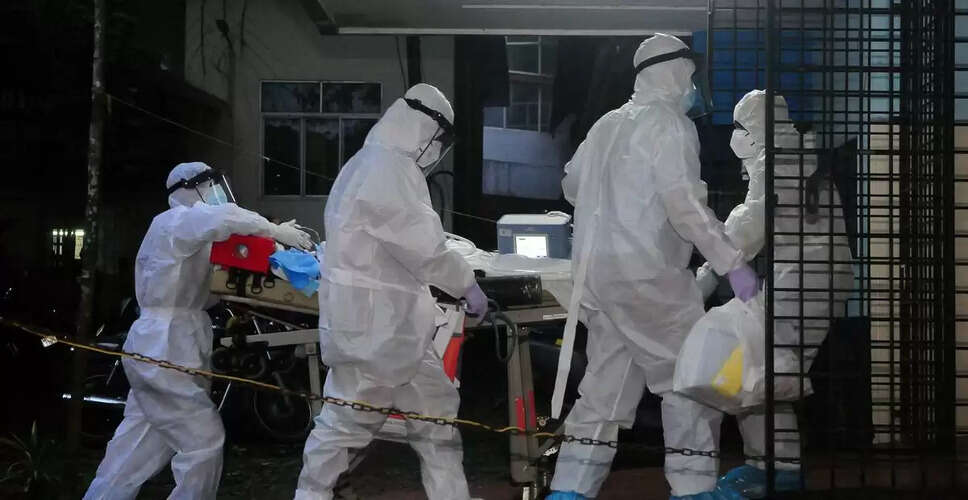
Emerging Health Crisis in Kolkata
A junior doctor and a nurse have been hospitalized at Kolkata’s Infectious Diseases and Beliaghata General Hospital after exhibiting early signs of Nipah virus infection, as reported by a state health department official on Wednesday.
The Nipah virus is classified as a zoonotic disease, meaning it can be transmitted from animals, such as pigs and fruit bats, to humans. Additionally, it can spread through human-to-human contact.
Symptoms typically include fever and cold-like indications. In severe cases, the virus can lead to encephalitis, which is brain inflammation, and myocarditis, or heart inflammation.
The two individuals had been caring for a healthcare worker who subsequently tested positive for the virus at Burdwan Medical College and Hospital in Purba Bardhaman district.
They were transferred to the Kolkata facility on Tuesday and are currently in isolation, according to an unnamed official. Their blood and nasopharyngeal swab samples have been sent for analysis, another official confirmed.
This development follows the recent confirmation of Nipah virus infections in two healthcare workers in the state, who are in critical condition at a Barasat hospital. One is reportedly in a coma, while the other requires ventilator support.
Their infections were first identified at the All India Institute of Medical Sciences Kalyani and later verified by the National Institute of Virology in Pune.
Over 120 individuals, including hospital personnel, family members, and ambulance drivers who interacted with the infected healthcare workers, have been advised to self-isolate. Additional screenings for the virus are ongoing.
Contact tracing efforts are currently being conducted in the North 24 Parganas, Bardhaman, and Nadia districts.
The origin of this outbreak remains unidentified.
The last recorded Nipah virus outbreaks in West Bengal occurred in 2001 and 2007, while the most recent cases in India were reported in Kerala in August.