
Concerns Arise Over Trump's White House Ballroom Project and Donor Anonymity
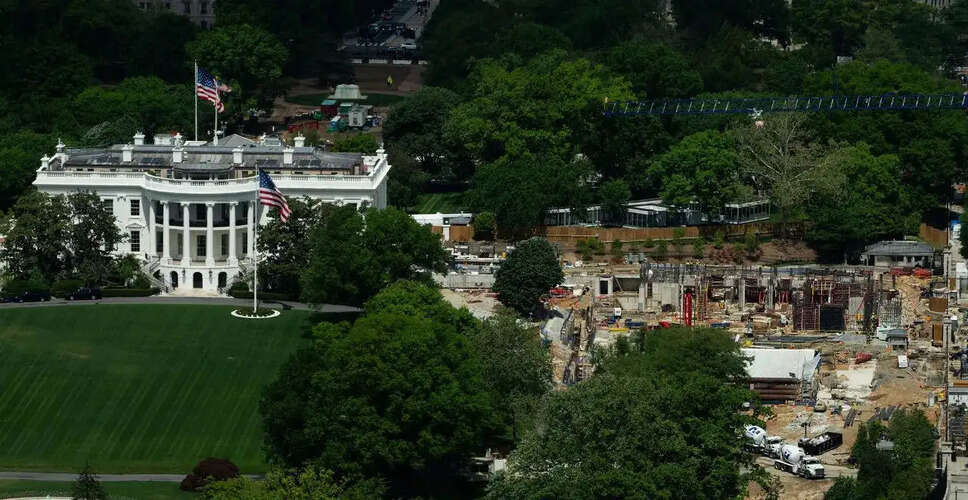

Controversy Surrounds White House Ballroom Plans
Plans for a new ballroom at the White House, initiated by President Donald Trump, have sparked backlash from watchdog organizations and lawmakers. Critics argue that the arrangement obscures donor identities and restricts congressional oversight. Reports from a major newspaper indicate that Trump was aware of the demolition of the East Wing for at least two months but did not make this information public. Preliminary work, including the removal of trees, started in September, with a formal contract signed shortly before demolition began in early October. This agreement, which could represent the most significant modification to the White House in decades, was only disclosed following a lawsuit and a court order. The advocacy group Public Citizen filed the lawsuit after the National Park Service and the Interior Department failed to respond to requests for records. Wendy Liu, an attorney for Public Citizen, stated, "The Trump administration's lack of transparency regarding this contract was outright illegal."
The reported contract indicates that while conflict-of-interest regulations apply to agencies like the National Park Service and the Interior Department, they do not extend to the president or White House officials. This allows donors to remain anonymous, with reported contributors including major corporations such as Amazon, Lockheed Martin, Palantir, and Google, many of which have significant federal contracts.
Critics have voiced concerns about the lack of transparency. Charles Tiefer, a former member of a congressional commission on wartime contracting, remarked, "If Congress comes knocking, the White House will shut the door." Law professor Kathleen Clark criticized the conflict-of-interest review process as merely a facade. Jon Golinger from Public Citizen raised questions about the anonymous donors, asking, "What are they concealing?" A federal judge previously referred to the arrangement as a "Rube Goldberg contraption" designed to circumvent congressional approval, alluding to the cartoonist known for depicting overly complicated machines. Despite ongoing legal challenges, an appeals court has permitted construction to continue. Several Democratic lawmakers have also expressed their disapproval of the project. Senator Elizabeth Warren from Massachusetts suggested that the anonymity of the donors implies they have something to hide, while Senator Richard Blumenthal from Connecticut stated, "President Trump has consistently tried to obscure the truth about his extravagant ballroom project."
The White House has defended the initiative, asserting that it is funded privately and does not utilize taxpayer dollars. In a statement to a news outlet, spokesperson Davis Ingle remarked, "President Trump is enhancing the beauty of the White House at no cost to taxpayers – a cause for celebration. Only those with extreme opposition to Trump would find fault with this." Trump has claimed that around $300 million has already been raised for the ballroom project. An analysis by a major newspaper revealed that the president has mentioned the ballroom more often than pressing issues like tariffs, the conflict with Iran, and the TrumpRx initiative aimed at helping Americans find affordable prescription medications.