
Concerns Arise Over ICE Training Standards Following Fatal Shooting Incident
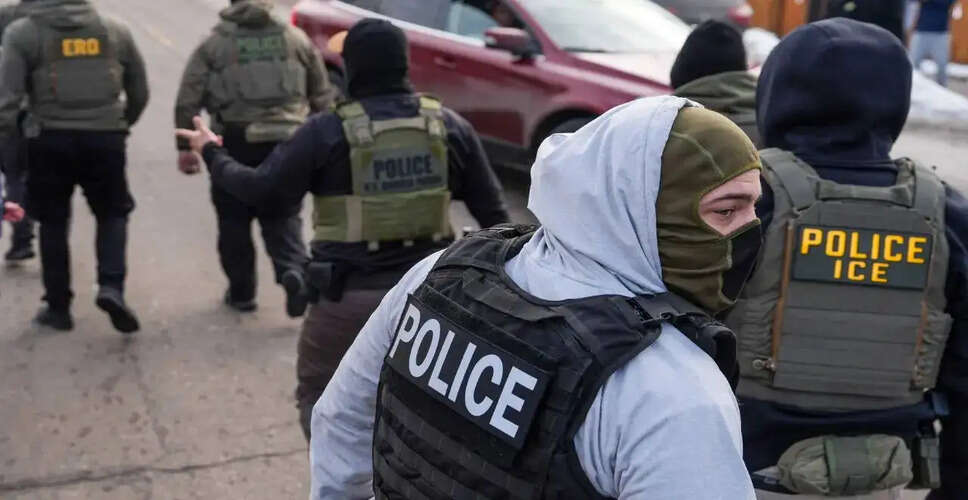
Fatal Shooting Sparks Congressional Inquiry
The tragic shooting involving Renee Good has raised significant concerns in Washington regarding potential operational shortcomings linked to recent modifications at the ICE academy. During a congressional forum co-hosted by Democratic representatives, a former instructor criticized the Immigration and Customs Enforcement agency for reducing essential training hours while simultaneously increasing recruitment efforts. This testimony follows heightened scrutiny after the incident in Minneapolis on January 7, 2026, which resulted in the death of the 37-year-old US citizen.
Ryan Schwank, who recently resigned from his teaching position, informed lawmakers that the current training program is “deficient, defective, and broken.” He claimed that new recruits are now graduating with hundreds of hours less training compared to earlier classes. ICE has not provided a detailed public response to the allegations made during the congressional session.
Training Reductions and Legal Safeguards Under Review
Schwank further testified that numerous practical assessments were removed from the training curriculum, including critical modules related to firearms judgment and handling criminal situations. He also stated that training focused on simulation-based use of force and legal education regarding constitutional limits has been significantly reduced or eliminated. Documents referenced by Senator Richard Blumenthal’s office indicate that recruits may now receive around 250 fewer hours of training than their predecessors.
During the DHS forum on use of force, Schwank cautioned that diminishing training hours could result in unlawful arrests and a breakdown of public trust. He emphasized that inadequate training could lead to fatal outcomes, arguing that constitutional protections cannot be compromised without repercussions. He also mentioned that a class on protester rights was cut from two hours to approximately ten minutes.
Broader Concerns Over Oversight and Accountability
The training pipeline at the ICE academy in Texas, which prepares new enforcement and removal operations officers, has reportedly undergone significant changes following an increase in hiring mandates. The funding legislation supported by Trump allocated resources for an additional 10,000 agents, leading to expedited recruitment processes. Secretary of Homeland Security Kristi Noem also removed age restrictions and introduced signing bonuses of up to $50,000.
Lawmakers have connected the training discussions to the circumstances surrounding Renee Good’s death. While investigations into the shooting are ongoing, law enforcement experts have raised questions about the tactics employed. Testimonies from Good's brothers and family during the forum highlighted their calls for accountability and transparency.
Calls for Accountability and Future Reforms
Minneapolis resident Teyana Gibson Brown shared her experience of armed ICE agents entering her home without a judicial warrant during the forum. Former DHS general counsel Stevan Bunnell emphasized the necessity of internal oversight mechanisms. These accounts illustrate an agency under pressure to carry out mass deportation operations while facing rapid institutional growth.
Senator Blumenthal remarked that the witnesses appeared before Congress due to lawmakers' responsibility to prevent similar incidents in the future. He encouraged additional whistleblowers to come forward with information regarding systemic issues. Congressional Democrats involved with ICE have indicated that further hearings may be forthcoming.
As investigations into the shooting of Renee Good continue, Immigration and Customs Enforcement has yet to issue a comprehensive public response to the curriculum allegations. The ongoing debate now focuses on whether changes at the ICE academy have shifted the balance between enforcement authority and constitutional limitations, with potential implications for future training standards and oversight across the agency.