
Comprehensive Study on Air Pollution in Delhi Utilizing AI and Satellite Data

Understanding Air Pollution in Delhi
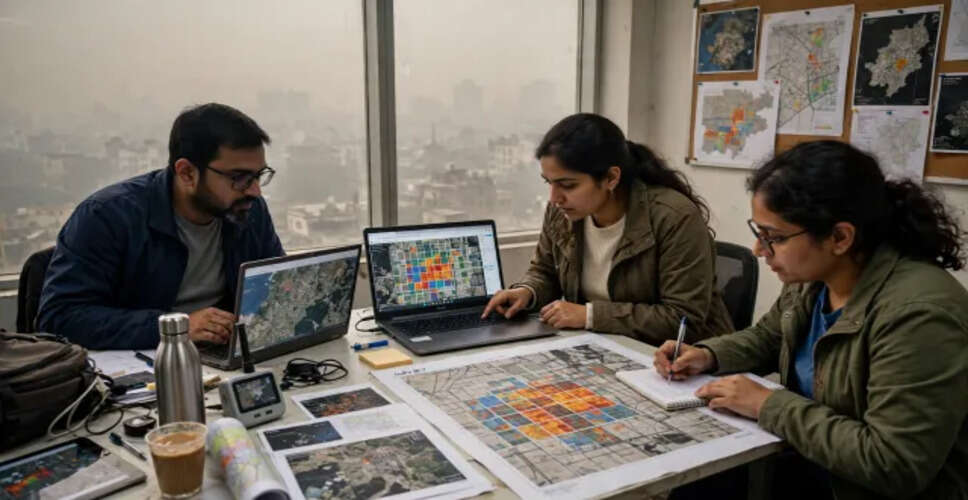
A significant scientific study is set to commence in Delhi to analyze the air pollution issue. This research aims to assess the changes in air quality over the past decade, identify areas with heightened pollution levels, and uncover the underlying causes. The study will leverage artificial intelligence (AI), satellite data, and advanced mapping techniques.
Seasonal Pollution Trends
During winter months, pollution levels in Delhi often escalate. Factors such as fog, vehicle emissions, dust from construction activities, industrial discharges, and crop burning in nearby regions contribute to deteriorating air quality. This study will provide insights into pollution not just through current data but also by examining long-term trends.
Analyzing a Decade of Air Quality Data
A key objective of this research is to analyze air quality data from the last ten years. This will help determine how pollution levels have fluctuated over different years and which seasons experienced the most severe conditions. Long-term data will clarify whether changes in pollution are temporary or indicative of a persistent trend.
Focus on PM2.5 and PM10 Particulates
The study will particularly focus on pollutants like PM2.5 and PM10. PM2.5 consists of very fine particles that can penetrate the lungs, while PM10 includes larger particles such as dust from roads and construction sites. Analyzing these pollutants is crucial for understanding air quality and associated health risks.
Mapping Pollution Sources with AI and Satellite Technology
One of the study's highlights is the detailed identification of pollution sources. By utilizing AI and satellite data, researchers will analyze pollution patterns across various regions and pinpoint pollution hotspots. This will facilitate understanding which areas are most affected by vehicle emissions, industrial activities, construction, or other sources.
Reassessing Pollution Sources in Delhi-NCR
According to reports, a new assessment of pollution sources in Delhi-NCR is being conducted after nearly a decade. This will involve comparing findings with previous studies to evaluate how the contributions of different pollution sources have changed due to cleaner fuels, improved vehicle technologies, and updated emission standards.
Identifying Pollution Hotspots
Pollution levels vary across different areas of Delhi. Factors such as major roads, industrial zones, construction sites, and densely populated neighborhoods can lead to varying pollution causes. Detailed grid mapping will aid in understanding pollution sources at a localized level.
Strategies for Improving Air Quality
Air pollution has long posed a serious challenge in Delhi-NCR. Seasonal weather conditions, low wind speeds, and the accumulation of pollutants can exacerbate the situation. Additionally, emissions from vehicles, construction activities, and regional smoke contribute to the problem.
Awaiting Study Results
The findings from this study will help prioritize pollution control measures. However, the extent of changes in pollution sources over the past decade will only be clear once the study is completed and results are published.
Understanding Pollution Sources Over Time
The aim of this study is not only to quantify how polluted Delhi's air is but also to understand the origins of this pollution and how these sources have evolved over time. By employing AI, satellite data, and detailed mapping, policymakers will gain more localized and data-driven insights.