
China's Strong Rejection of India's Naming of Strategic Locations in Ladakh
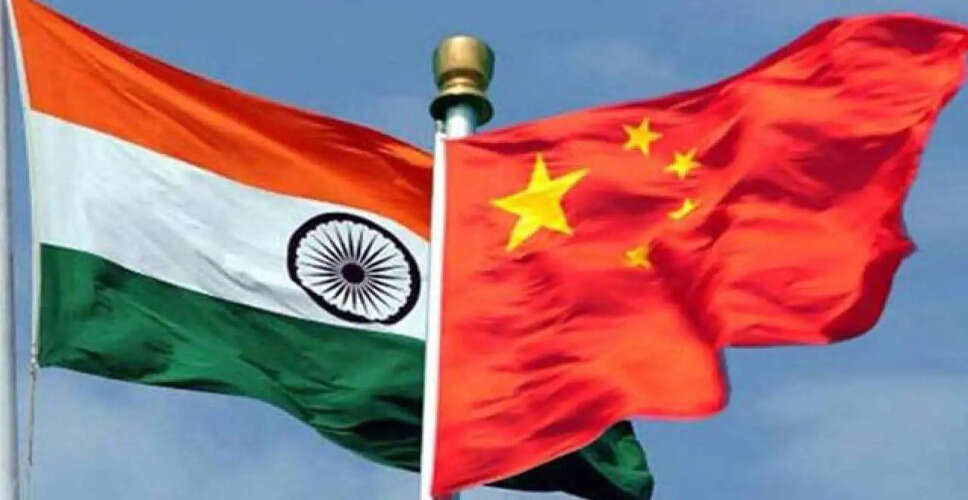

China's Opposition to India's Naming Initiative
On Tuesday, Beijing expressed strong disapproval of India's recent move to standardize names for 28 strategic sites and geographical features in Ladakh, asserting that these territories rightfully belong to China.
According to Foreign Ministry spokesperson Mao Ning, China has never acknowledged the unilateral establishment of the so-called 'Union Territory of Ladakh' by India.
Mao firmly stated that Beijing opposes India's announcement regarding the standardized names.
This statement came in response to inquiries about India's Ministry of Home Affairs' recent declaration of standardized names for various locations in Ladakh.
Mao emphasized that this action is both illegal and invalid, asserting that the areas in question along the western sector of the China-India boundary have always been part of China.
On October 2, India officially designated 28 strategic locations and geographical features in Ladakh, including significant border friction points like Gogra and Hot Spring, on its official map.
This initiative, undertaken in collaboration with the Ladakh administration, aims to enhance official cartography, improve precise identification, and raise public awareness regarding this sensitive border region.
Gogra and Hot Spring are critical strategic sites that were points of contention during the 2020 standoff between Indian and Chinese forces, playing a vital role in Indian patrol operations along the Line of Actual Control (LAC).
The eastern Ladakh border standoff began on May 5, 2020, following a violent confrontation between Indian and Chinese troops near Pangong Lake, with both sides initiating a disengagement process in 2022.
The additional locations identified by India include Alisha Giri, a high-altitude peak; Brangsa; Chapchingal Pass; Kanishka Peak; Karun Pir mountain; Kuksel; Martand Giri; Parpik glacier; Skamri Glacier; Shachmirik Pass; Shkorga Valley; Zorawar Peak; Dehra Compass; and Drak Karpo.
The list further encompasses Jolmori, Kumarayana Point, Panglung, Rinchen Zangpo, Sakyasri Giri, Guru Rinpoche, Shamal Lungpa (a patrol and staging route from the 1950s), Yangpa River, Marpa Lotsava Ri, Milarepa Kangri, Shiva Ri, and Maheshwara Ri.