
China's Strategic Move: Iranian Waters Open for Chinese Vessels Amid Tensions
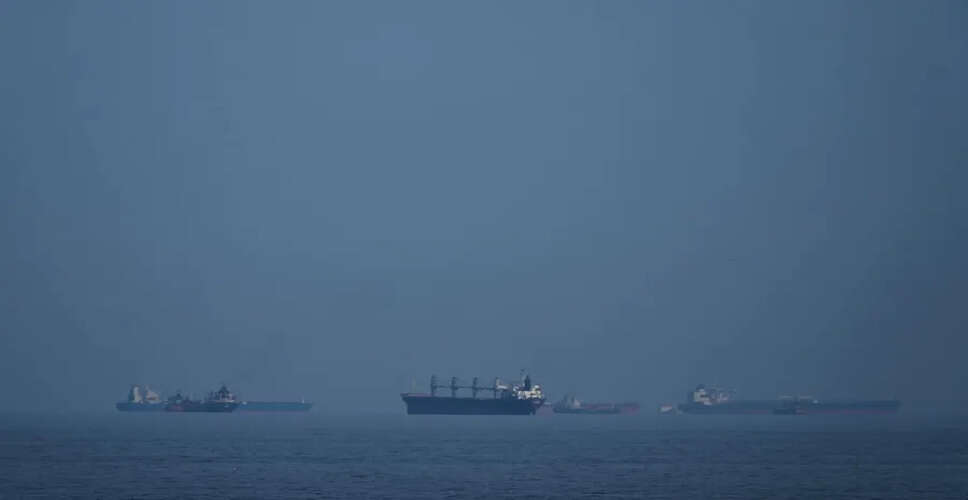

Iran Opens Strait of Hormuz to Chinese Ships
Beijing: Iran has granted permission for numerous Chinese vessels to navigate through the Strait of Hormuz, coinciding with China's firm stance against the militarization of this vital maritime route during discussions between US President Donald Trump and Chinese President Xi Jinping.
Following the initiation of US-Israeli military actions on February 28, Iran had previously closed the Strait of Hormuz, a crucial passage linking the Persian Gulf to the Gulf of Oman.
As of Wednesday night, Iranian authorities allowed 30 Chinese ships to transit the strait, adhering to Iranian management protocols, as reported by the semi-official Fars news agency, citing a senior official from the Revolutionary Guard-Navy, according to China's state-run Xinhua news agency.
Iran's Foreign Minister, Abbas Araghchi, stated that the Strait of Hormuz remains accessible to all commercial vessels, provided they coordinate with Iranian naval forces for passage.
The news of Iran permitting Chinese vessels emerged as Trump and Xi reached a consensus that the Strait of Hormuz should remain open to facilitate the uninterrupted flow of energy, as outlined in a summary of their Thursday meeting released by the White House.
However, Beijing has yet to publicly support the US assertions.
Xi also expressed opposition to any tolls imposed on ships traversing the strait, which has been effectively closed since the onset of the Iran war.
Additionally, Xi showed interest in increasing purchases of American oil to lessen China's reliance on the strait in the future, according to the meeting's summary.
Iran has tightened its control over the Strait of Hormuz, leveraging it to exert pressure on Trump to cease the US military actions against it. Consequently, numerous vessels have been stranded, leading to a significant global energy crisis.
Iran has intermittently allowed ships from China, its strategic ally, which has been acquiring 90% of Iranian oil, in defiance of US sanctions.
The dynamics shifted after Trump enforced a blockade on Iranian ports, halting all maritime movements, which raised concerns in Beijing, despite its substantial oil reserves.
Other Gulf nations, including the UAE and Saudi Arabia, with whom Beijing maintains strong relations, have also voiced worries regarding the Iranian blockade.
When questioned about whether Beijing would assist Washington in reopening the Strait of Hormuz, US Treasury Secretary Scott Bessent remarked that China has a "much bigger interest in reopening the strait than the US does."
"Reopening the strait is advantageous for China," he noted, adding that he anticipates Beijing will "do what they can" and operate "behind the scenes."
Previously, US Secretary of State Marco Rubio expressed hopes that Washington could persuade Beijing during the Trump-Xi discussions to take a more proactive role in addressing the Iran war crisis. Trump, who arrived in Beijing the previous night, held his first meeting with Xi on Thursday.
In comments made to Fox News aboard Air Force One en route to Beijing, Rubio stated that the Iran war poses a significant source of instability, threatening to destabilize Asia more than any other region due to its heavy reliance on the straits for energy.
"It's in (China's) interest to resolve this," he asserted.