
China's Economic Challenges: Unemployment and Real Estate Crisis

Economic Downturn in China
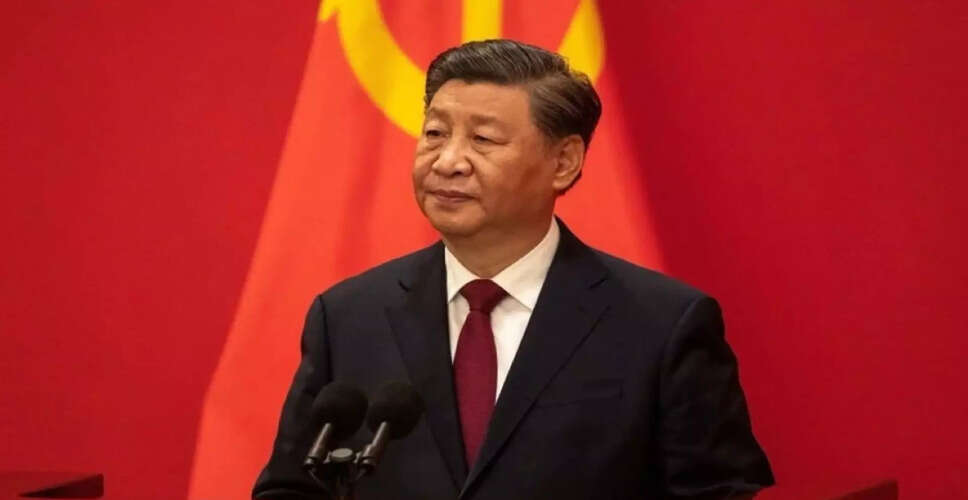
File image of China President Xi Jinping(Photo: @GlobalNewsGeo/X)
New Delhi, Nov 26: Recent reports indicate that China's economic growth has significantly slowed, primarily due to a crisis in vital sectors like real estate, leading to widespread job losses across the nation.
According to the report from Shanghai featured on Nepal’s Hamrakura news portal, scenes that were once unimaginable are now common in Chinese cities. Day laborers are seen gathering early in the morning, hoping to find a few hours of work. Food delivery personnel often work long hours, sometimes up to fourteen a day, just to afford basic necessities like rent and food. Middle-aged individuals who lose their jobs are finding it increasingly difficult to secure new employment, as many employers favor younger candidates. For numerous families, the focus has shifted from improving their living standards to merely putting food on the table.
The report highlights alarming statistics, noting that the youth unemployment rate for individuals aged 16-24, excluding students, reached 18 percent in September 2026. This figure underscores the significant hurdles young graduates face as they enter the job market, with over 12 million university graduates competing for limited positions each year.
The real estate industry, which previously constituted 25 percent of China's economy, is still under considerable strain, with demand plummeting. Analysts, as reported by Reuters, continue to predict ongoing weakness in the property sector.
Moreover, foreign investor confidence has diminished, with official data revealing a decline in foreign direct investment into China over several years, including a drop in 2025 and ongoing challenges into 2026. Despite Beijing's efforts to promote technological independence and boost domestic consumption, many international firms are reevaluating their investments in China due to economic and geopolitical uncertainties.
While the Chinese government asserts that it has eliminated extreme poverty, many vulnerable populations still experience significant economic instability. Elderly citizens in rural areas often rely on small pensions and sporadic work. Low-income families are increasingly reducing their discretionary spending, including on essentials like meat and healthcare. An unexpected medical emergency can plunge many households into financial turmoil.