
China Assumes UN Security Council Presidency, Advocates for Multilateralism
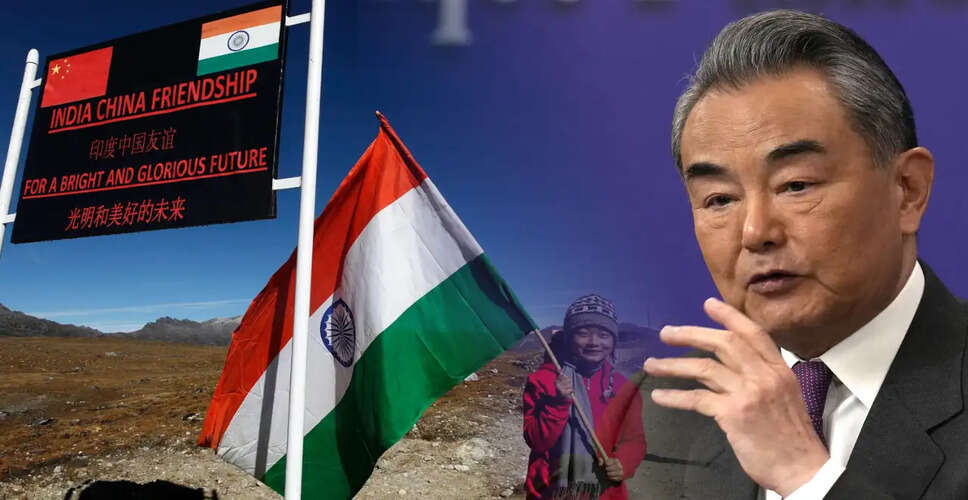

China's Leadership at the UN Security Council
China has taken on the rotating presidency of the United Nations Security Council, aiming to position itself as a champion of multilateralism and global order. During a high-level debate in New York, Foreign Minister Wang Yi called on nations to honor sovereignty, reject unilateral actions, and bolster the UN's authority. He expressed concerns about the increasing strain on the international order due to escalating geopolitical tensions and conflicts, asserting that the world is experiencing unprecedented changes since World War II. Wang emphasized the need for the global community to uphold and strengthen the United Nations.
However, while China seeks to portray itself as a defender of the UN Charter, its own actions have drawn scrutiny. Retired Chief Councilor Capt SB Tyagi highlighted China's confrontations in the South China Sea and ongoing tensions with India, suggesting that Beijing's rhetoric on sovereignty often contradicts its strategic behavior. He noted the political significance of China's presidency in May, as it attempts to advocate for a UN-centered international system while criticizing Western alliances and sanctions.
Wang Yi Critiques Global Double Standards
Wang Yi Targets ‘Double Standards’ In Global Politics
In his address to representatives from over 100 nations, including more than 20 foreign ministers, Wang pointed out that many current crises arise not from flaws in the UN Charter but from nations failing to uphold its principles. He urged major powers to accept their responsibilities, promote fairness, and reject double standards and selective rule application. Without naming the United States directly, he condemned unilateral military actions taken without Security Council approval and criticized sanctions imposed outside UN frameworks. Wang also called for permanent members of the Security Council to prioritize collective interests over narrow national agendas.
China's Diplomatic Efforts Amid Global Tensions
Wang's comments come as China seeks to establish itself as a diplomatic player in various global crises, including the situation in Iran and conflicts in West Asia. He stated that China is maintaining communication with both the United States and Iran, as well as regional stakeholders, emphasizing the need to respect the sovereignty and territorial integrity of all nations in the region. Wang also highlighted the importance of safeguarding energy infrastructure and ensuring the security of strategic waterways.
Skepticism Surrounds China's Sovereignty Claims
China’s Global Messaging Meets Strategic Skepticism
Despite China's emphasis on sovereignty and territorial integrity, its actions have raised concerns among several countries, including India, the Philippines, and Vietnam, regarding military pressure and maritime claims. India and China continue to navigate a complex strategic rivalry, even as they have made some progress in disengagement efforts along their border. Tensions in the South China Sea have also escalated, with confrontations between Chinese vessels and regional maritime forces.
In this context, Wang's statements are seen by some analysts as part of a broader Chinese strategy to reshape the global diplomatic narrative amid increasing fragmentation of the international system. China's UN ambassador, Fu Cong, previously outlined Beijing's priorities for its Security Council presidency, indicating a commitment to fostering dialogue and restoring confidence in the UN system while addressing global conflicts. The presidency allows China to influence discussions and convene meetings, although it does not grant additional voting powers. This month, China plans to address issues related to Gaza, Syria, Lebanon, and civilian protection during armed conflicts.
Wang also hinted at China's interest in the future selection of the next UN secretary-general, outlining essential qualifications for the role, including a commitment to the UN Charter and impartiality. For China, this presidency represents an opportunity for diplomatic visibility and strategic leverage amid intensifying competition with the West. However, the disparity between China's calls for respecting sovereignty and the concerns raised by its neighbors is likely to remain a focal point during its tenure at the Security Council.