
Challenges Loom Over US-Iran Peace Agreement Amidst Israeli Actions

US-Iran Peace Deal: A Fragile Agreement
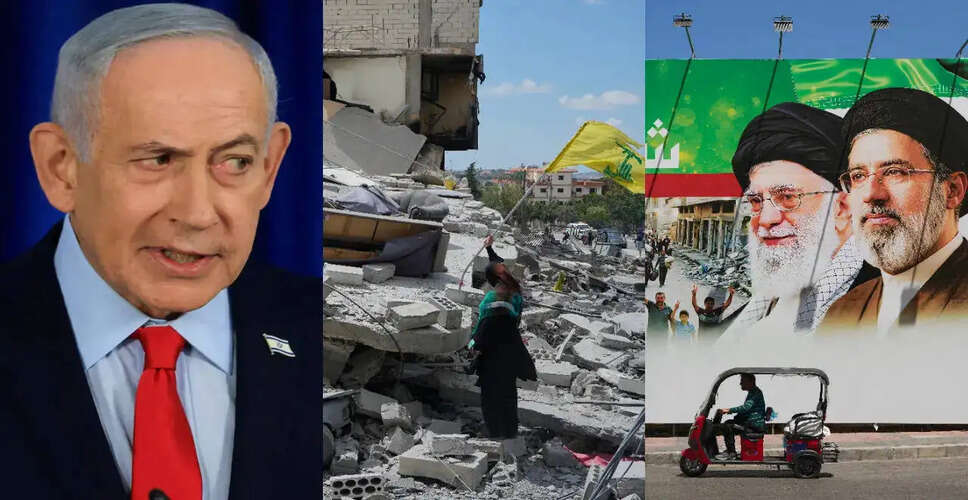
A tentative agreement regarding the Iran conflict appears to be on the horizon, with a formal signing set for Friday, June 19. However, it may be premature to conclude that all uncertainties surrounding the peace deal have been resolved. The situation is complicated by Lebanon, which Iran considers a crucial element of the ceasefire. Israel, on the other hand, maintains that it will not withdraw from any territories and will continue its operations against Hezbollah.
Lebanon is referenced multiple times in the Memorandum of Understanding (MoU) related to the US-Iran peace negotiations, underscoring its significance for Tehran. Iran's influence in Lebanon is largely exercised through Hezbollah, a group that has engaged in numerous confrontations with Israel. Each time Hezbollah launches an attack, Israel responds, leading to inevitable repercussions from Iran. The ongoing Israeli aggression against Hezbollah has repeatedly stalled peace negotiations, as strikes in Beirut often coincide with critical discussions.
Iran insists that any peace resolution must encompass Lebanon, while Israel remains firm on its military actions against Hezbollah. Even as President Trump was poised to announce the deal, Israeli forces conducted strikes in response to Hezbollah's provocations, further delaying the announcement. Thus, the success of the newly proposed Iran deal heavily relies on the US's ability to manage Israeli military actions in Lebanon, as any misstep could prompt Iran to postpone the peace process.
Iran's Regional Engagement Before Geneva
On Monday, Iran announced plans to visit neighboring countries to discuss the details of the upcoming MoU signing in Geneva.
Israel's Complicated Position
Although Israel is not a signatory to the deal, it finds itself in a challenging position due to its military actions in southern Lebanon following missile attacks from Hezbollah. Iran has consistently demanded that any agreement to de-escalate tensions with the US must include a halt to Israeli operations in Lebanon. However, Israeli Defense Minister Israel Katz has committed to maintaining a military presence in the region.
RT_com
2066589958010212362
Trump's Dilemma and Netanyahu's Discontent
As negotiations progressed, President Trump expressed frustration over Israel's military actions in Beirut, fearing they could jeopardize the agreement. Ultimately, he opted to pursue an end to the Iran conflict, even at the expense of limiting Israel's military options in Lebanon. This decision has placed Prime Minister Netanyahu in a difficult position, as he may need to scale back military operations that are popular among his constituents.
Hezbollah's Potential Threat to the Peace Deal
Any single rocket launched by Hezbollah into northern Israel could escalate tensions significantly, increasing pressure on Netanyahu from both his supporters and opposition. Daniel Shapiro, a former US Ambassador to Israel, noted that such a scenario would empower Hezbollah and Iran in this delicate situation.
Some hardline members of Netanyahu's coalition have criticized the new deal, urging the prime minister to continue military operations in Lebanon, even if it strains relations with the US. Israel’s national security minister, Itamar Ben-Gvir, emphasized that dismantling Hezbollah should be the priority. Consequently, while a deal has been announced, the situation remains precarious, with Lebanon still vulnerable and Israel's actions unpredictable.
With inputs from various sources