
Challenges Faced by Trump's Naval Blockade on Iran in the Strait of Hormuz

Overview of the Naval Blockade
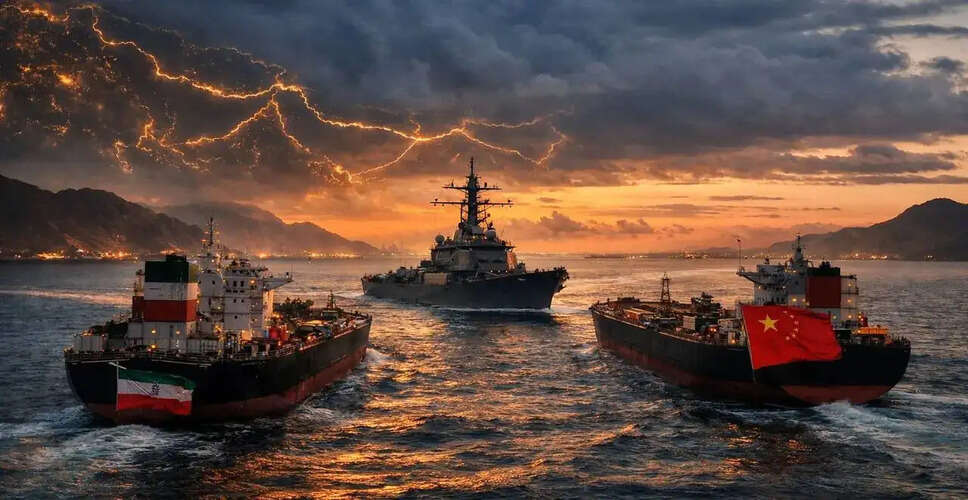
Donald Trump's initiative to impose a naval blockade on Iran in the Strait of Hormuz has encountered significant obstacles, as numerous vessels continue to navigate this crucial route despite the blockade's implementation. The US Navy initiated the blockade at 10 am ET on Monday, specifically targeting Iranian tankers and other vessels associated with Iran that are entering or leaving its ports. This action follows unsuccessful negotiations between Washington and Tehran in Islamabad, where both sides could not reach an agreement to resolve the ongoing conflict. However, just a day into the blockade, several ships, including four Iranian-linked tankers, have successfully traversed the Strait. Notably, one of these vessels was a Chinese-owned tanker that had previously faced US sanctions in 2023 for transporting Iranian oil, and it was later spotted in the Gulf of Oman on Tuesday. The ongoing movement of these ships raises concerns regarding the blockade's effectiveness and its enforcement in such a vital and busy maritime corridor, which typically handles about 25% of the global seaborne oil trade. Nevertheless, shipping traffic has significantly decreased since the onset of the conflict involving Iran.
Evaluating the Blockade's Effectiveness
How Successful has the Blockade Been So Far
The blockade is perceived as an effort to disrupt Iran's so-called "shadow fleet"—ships accused of bypassing sanctions to transport oil, much of which is believed to be destined for China. According to US Central Command, the enforcement will concentrate on vessels entering or leaving Iranian ports and coastal areas, rather than all ships passing through international waters. This approach seems to diverge from Trump's earlier statements, where he claimed the US Navy would intercept every vessel in international waters that had paid what he termed an illegal toll to Iran. Reports indicate that some vessels may have paid amounts ranging from millions in Chinese yuan to cryptocurrency to ensure safe passage through Iranian-controlled waters.
Objectives of the Hormuz Blockade
What the Hormuz Blockade Is Meant to Achieve
Experts suggest that the blockade aims to undermine Iran's economy, which heavily relies on oil exports despite facing international sanctions. A Bloomberg analysis indicates that Iran may have boosted its revenues by hundreds of millions of dollars recently, as its vessels remain among the few still operating through the Strait. However, this strategy could have broader implications for global energy markets. Scott Modell, CEO of Rapidan Energy Group, warned that this approach risks exacerbating what he termed "the worst global oil supply shock in history." He noted that Trump seems willing to accept higher oil prices as a trade-off for gaining leverage, betting that American consumers can tolerate rising gasoline prices more than Iran can endure economic hardship. Additionally, high insurance costs and security concerns may deter shipping companies from using this route, even without direct disruptions.
Iran's Response and China's Position
In the initial stages of the conflict, Iran conducted attacks on vessels in the Gulf, including missile strikes and assaults using fast boats. It also targeted energy infrastructure in nations such as Qatar, Saudi Arabia, Kuwait, and the UAE, with facilities in Ras Tanura and Yanbu among those affected, raising concerns about alternative export routes. Reports indicate that over 25 energy companies operating in the region have declared force majeure due to the instability. China, which is the largest buyer of Iranian oil, has criticized the US actions, stating that the increased military presence and targeted blockade will only escalate tensions and jeopardize safety in the Strait. Foreign ministry spokesman Guo Jiakun emphasized that the root cause of navigation issues in the Strait is the ongoing war in Iran, advocating for a ceasefire as the solution.
China's Oil Supply and Future Implications
While China remains Iran's primary oil customer, analysts suggest it can still source oil from other markets, albeit at higher prices. Christopher Weafer, CEO of Macro-Advisory, noted that China has lost access to discounted oil and is now paying the same rates as other importers. He mentioned that while Beijing may be frustrated, it can still secure the oil it needs, albeit at market prices. China's diversified energy portfolio and strategic reserves, estimated to cover around 100 days of imports, provide some resilience, although sectors like aviation and shipping could be vulnerable if the blockade persists. The timing of the blockade also raises questions about its potential impact on upcoming discussions between Trump and Chinese President Xi Jinping next month. Modell believes that this development is unlikely to hinder the meeting, asserting that Trump's determination to achieve a favorable outcome in the Iran conflict remains steadfast.