
Ceasefire Leads to Shipping Resumption in Strait of Hormuz
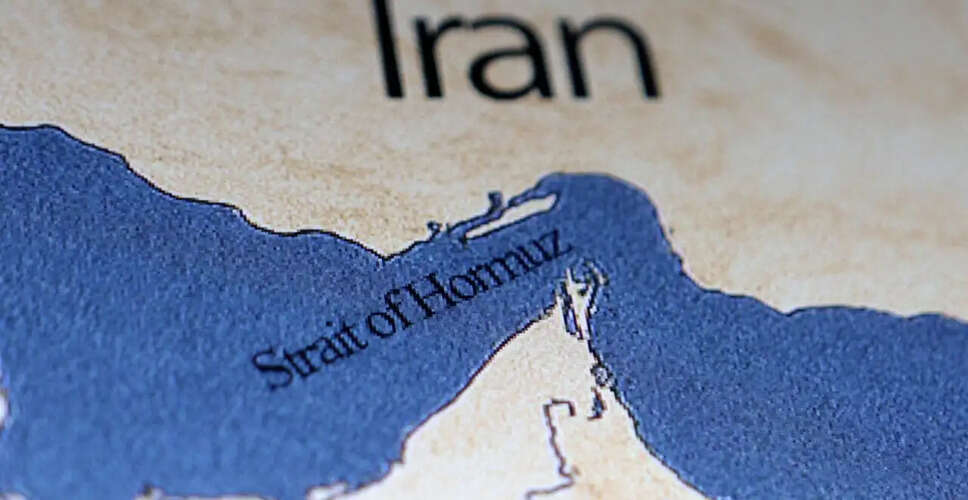
Significant Developments in the Strait of Hormuz
The first vessel, likely an energy tanker transporting oil or gas, has successfully navigated the crucial Strait of Hormuz shortly after a ceasefire agreement was reached between the United States and Iran. This ceasefire was established just before the expiration of a severe ultimatum from former President Donald Trump, which threatened to devastate Iran's infrastructure if they did not comply with demands to open the strait.
Reports indicate that despite Iran's initial reluctance to engage in discussions, intense negotiations took place overnight on April 7-8, culminating in a temporary ceasefire lasting two weeks.
TimesNow
2041819176227238083
Current Situation in the Strait of Hormuz Post-Ceasefire
Iran and Oman to Implement Shipping Fees
While Iran may not possess the advanced military capabilities of the US and Israel, its control over the Strait of Hormuz has proven to be a significant strategic asset since the onset of the conflict. This control has disrupted global markets and increased pressure on Trump to resolve the ongoing tensions.
The ceasefire could formalize Iran's control over the strait and introduce a new revenue stream. Reports suggest that both Iran and Oman will impose fees on vessels passing through the strait, as disclosed by a regional official who requested anonymity due to the sensitive nature of the negotiations. The funds generated are expected to be allocated for reconstruction efforts in Iran.
This shift could challenge the long-standing view of the strait as an international waterway, which has traditionally allowed free passage, and may not sit well with Gulf Arab nations that are also recovering from Iranian assaults on their oil infrastructure. Trump remarked on social media, "Big money will be made. Iran can start the reconstruction process."
Iranian Foreign Minister Abbas Araghchi stated that transit through the strait would be regulated by Iranian military oversight, adding further complexity to the situation regarding who would be permitted to navigate these waters.
Despite the uncertainties, the announcement of the ceasefire led to a decrease in oil prices and a rise in stock markets on Wednesday.
With inputs from AP