
C-RAM Defense System Successfully Intercepts Drone and Rocket Attacks in Baghdad
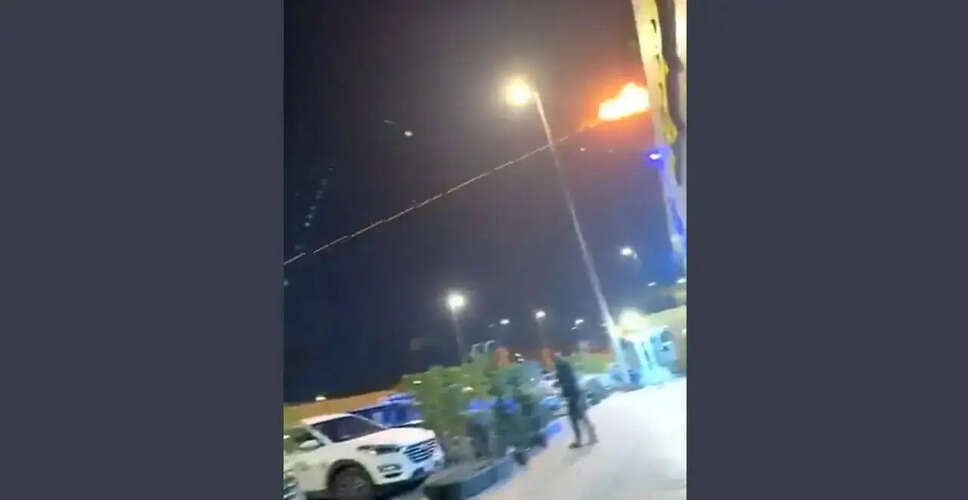
C-RAM in Action Over Baghdad
In a remarkable display of efficiency, the C-RAM defense system of the United States successfully intercepted and neutralized incoming drones and rockets targeting its embassy in Baghdad early Tuesday morning. Viral videos on social media captured the system's rapid response as it engaged multiple projectiles aimed at the heavily fortified compound. The C-RAM quickly tracked the threats, deploying its 20mm M61A1 Gatling gun to fire at high velocity, creating a striking visual spectacle in the night sky. A security official reported that the embassy faced an assault involving three drones and four rockets, with at least one drone crashing within the compound. Earlier, another rocket attack had been thwarted. Eyewitness footage illustrated the destruction of incoming threats mid-air, showcasing the system's capability to prevent potential damage to one of the US's most secure diplomatic locations in the region.
Understanding the C-RAM System
What Is C-RAM And How Does It Work?
The C-RAM, which stands for Counter-Rocket, Artillery, and Mortar system, was developed as a land-based counterpart to the US Navy's Phalanx close-in weapon system. Initially created by the US Army during the Iraq War, it is designed to safeguard military installations, embassies, and vital infrastructure from short-range threats like rockets, artillery shells, and mortars. This system was adapted from naval defense technology to address the frequent insurgent attacks on land.
thestevennabil
2033635056754069653
At its core, the C-RAM integrates radar detection, fire-control systems, and a high-speed rotary cannon. Upon detecting a projectile, the system calculates its trajectory in real-time and fires controlled bursts to eliminate it before impact. It operates in conjunction with radar units like the AN/TPQ-36 Firefinder and Lightweight Counter Mortar Radar, which can detect launches almost instantly. A command-and-control network predicts the impact point and can alert personnel in the vicinity. Additionally, the C-RAM employs self-destructing ammunition, minimizing the risk of falling debris. This system is widely utilized across US bases and diplomatic missions in conflict zones, serving as a vital last line of defense against unexpected aerial assaults.