
BP's Kaskida Project Receives Approval Amid Energy Market Pressures
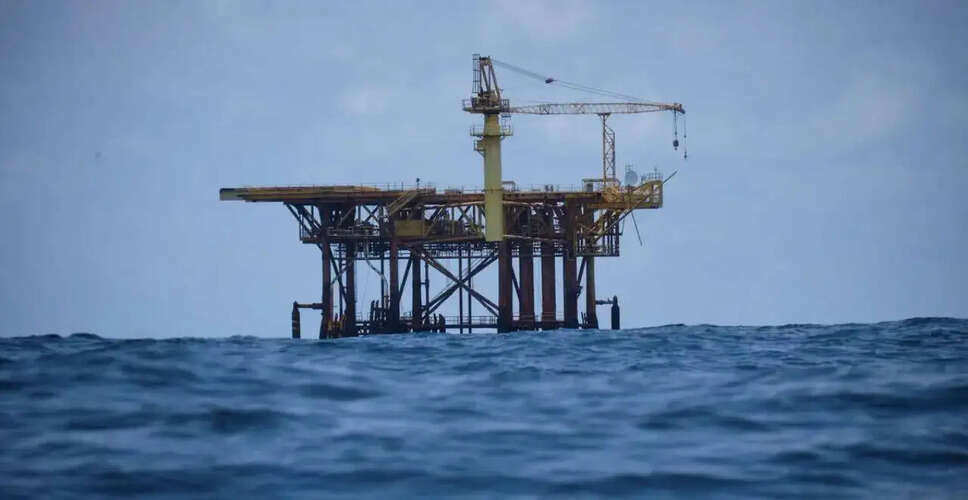
BP's Kaskida Project Gets the Green Light
On Friday, the Trump administration approved BP's Kaskida project, a significant $5 billion deepwater oil drilling initiative located in the Gulf of Mexico. This venture, initially discovered by the British energy company in 2006, has now received the necessary production plan approval from the Bureau of Ocean Energy Management, a division of the Interior Department. While this marks a crucial step towards drilling, BP still needs to secure additional federal permits.
Situated approximately 250 miles off the coast of Louisiana in waters exceeding 5,600 feet in depth, BP anticipates that the six-well operation will yield around 80,000 barrels of oil daily starting in 2029, tapping into a section of the seafloor believed to contain 10 billion barrels of crude oil. Paul Takahashi, a spokesperson for BP, emphasized that Kaskida represents a world-class project, showcasing decades of technological advancements in the offshore oil and gas sector. He noted that this approval is particularly significant given the current global energy security and affordability concerns.
Strategic Timing
The timing of this approval is strategic, coinciding with the Trump administration's efforts to mitigate the effects of the ongoing Iran conflict on global energy markets. Since the onset of US-Israeli military actions, oil prices have surged to their highest levels in four years, and the near-closure of the Strait of Hormuz, a critical route for about 20% of the world's oil, has heightened the urgency to secure alternative supplies. Energy Secretary Chris Wright characterized the Kaskida approval and other energy initiatives announced on the same day as direct responses to this crisis, asserting that the administration is dedicated to reinforcing American energy dominance.
Additionally, on the same day, Wright utilized emergency powers to reactivate an offshore oil pipeline in California that had been shut down since a significant spill in 2015. The Energy Department also sanctioned a 13% increase in exports at a liquefied natural gas terminal in Louisiana operated by Venture Global.
Concerns from the Past
Kaskida marks BP's second deepwater project in the Gulf following the infamous Deepwater Horizon disaster in 2010, which resulted in the largest oil spill in US history. BP's first project after the Horizon incident, Argos, commenced operations in 2023 without any reported issues. However, critics remain wary, pointing out that BP's emergency response strategy for Kaskida is similar to the one employed in 2010, relying on chemical dispersants to manage oil spills. Detractors argue that the company has not sufficiently innovated safer methods over the past 15 years.
The extreme operational depth, which necessitates equipment capable of withstanding immense pressure and high temperatures, raises additional concerns. Opponents warn that these conditions significantly increase the risk of a blowout, potentially harming Gulf communities and marine ecosystems. Environmental organizations are expected to challenge the project legally. In response to these concerns, BP has attempted to reassure stakeholders, with former CEO Murray Auchincloss expressing confidence in the safety of comparable fields during a 2024 analyst call.