
Bangladesh Urges India to Accelerate Sheikh Hasina's Extradition Process
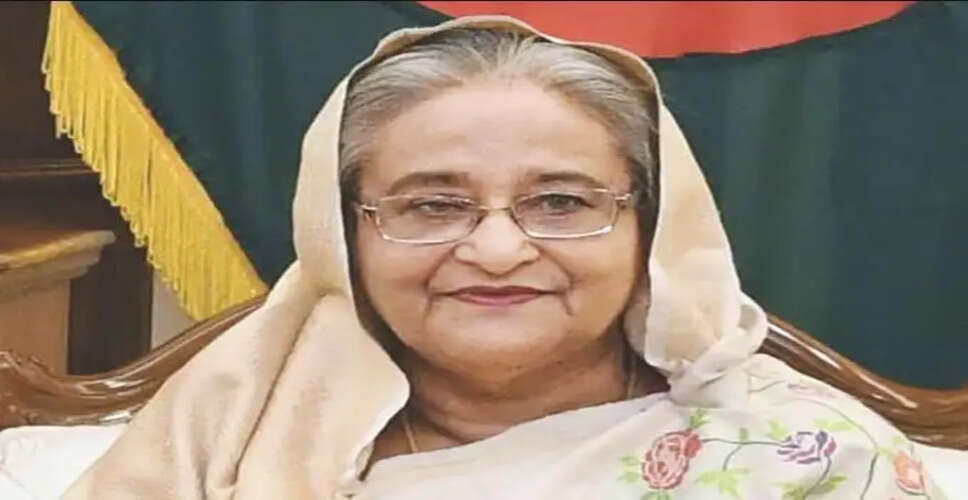

Bangladesh's Call for Action on Sheikh Hasina's Extradition
Dhaka: On Sunday, Bangladesh expressed its desire for India to hasten the extradition of former Prime Minister Sheikh Hasina, emphasizing that both legal procedures and political will are essential for her return.
This statement followed comments from Indian High Commissioner Dinesh Trivedi, who indicated that India could not provide a specific timeline for Hasina's return, as the extradition request from Dhaka is currently under legal review.
State Minister for Foreign Affairs Shama Obaed Islam highlighted the importance of political intent alongside the legal framework during a media briefing.
She conveyed optimism that India would take necessary actions to speed up the extradition process.
When asked if Hasina could be repatriated under the existing extradition treaty between India and Bangladesh, the minister affirmed that it was indeed possible.
She noted that the extradition process is progressing, although some legal experts have raised doubts about the treaty's applicability in this situation.
Trivedi reiterated that no one could provide a definitive timeline for Hasina's return, emphasizing that the process is structured and legal.
Hasina, now 79, has been residing in India since fleeing Dhaka on August 5, 2024, following a student-led uprising that resulted in the fall of her Awami League government.
A special tribunal subsequently tried her in absentia, sentencing her to death for her role in the crackdown on protests, a decision Hasina and her supporters have labeled as unjust.
The interim government led by Muhammad Yunus has formally requested her extradition through diplomatic channels, while India has stated that it is reviewing the request according to established protocols.
After the February 12 elections, the Bangladesh Nationalist Party, under Prime Minister Tarique Rahman, renewed calls for Hasina's extradition.
In August, Rahman urged Trivedi to expedite the extradition, highlighting the need for a favorable atmosphere to enhance bilateral relations.
Hasina has expressed her intention to return to Bangladesh voluntarily by December to confront the legal proceedings.
The extradition matter has become a significant point of contention in India-Bangladesh relations, which have soured since Hasina's removal from power.
India recently invited Rahman to the BRICS Summit held last month, alongside a separate bilateral invitation that has been in place since February.
However, Rahman did not attend the summit or visit New Delhi since assuming office.