
Bangladesh Implements Austerity Measures Amid Energy Crisis
Bangladesh's Response to Energy Shortages
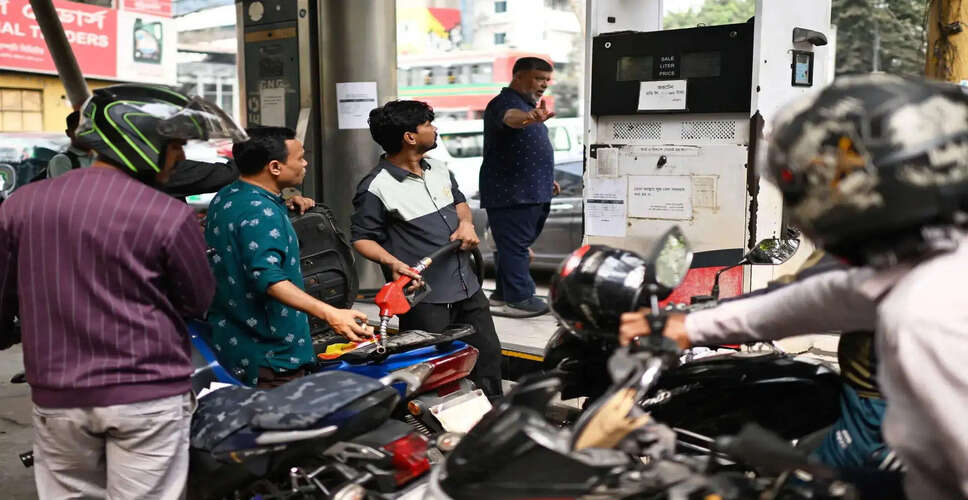
The government of Bangladesh, led by Prime Minister Tarique Rahman, has introduced a range of austerity measures to address the ongoing energy crisis exacerbated by the conflict in Iran. According to local media, these measures include reduced office hours, earlier market closures, and budget cuts aimed at conserving energy amidst the challenging circumstances.
As part of these initiatives, all public and private offices are now required to operate from 9 AM to 4 PM, which is a one-hour reduction in working hours, as reported by the Dhaka Tribune. Banks will serve customers from 9 AM to 3 PM, although internal operations can continue until 4 PM. Additionally, all markets, shops, and malls must close by 6 PM, with exceptions made for essential services such as grocery stores, pharmacies, and food outlets.
The Ministry of Education is anticipated to release specific guidelines for schools, which are expected to be implemented starting Sunday. Furthermore, the cabinet has mandated a 30% reduction in fuel and power expenditures for government offices, halted certain staff training programs, and prohibited the purchase of new vehicles, ships, and aircraft. The use of decorative lighting for celebrations has also been banned.
With a population exceeding 170 million, Bangladesh is actively seeking alternative fuel sources and is looking for $2.5 billion in external financing for fuel imports, which currently make up 95% of its energy supply. As the conflict in Iran continues to impact energy availability, India has received a request from Bangladesh for diesel supplies, which is currently under review. Other nations, including the Maldives and Sri Lanka, have also reached out to India for assistance. In response to the crisis, India has already provided an additional 5,000 tons of diesel to Bangladesh.