
Bangladesh Foreign Minister's Visit to India: A Turning Point in Bilateral Relations
Significance of the Visit Amidst Cooling Relations
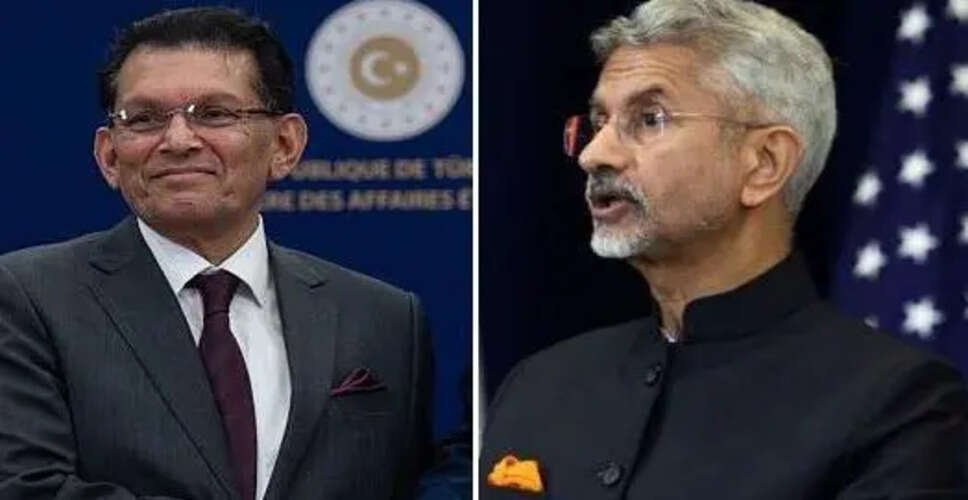
The recent visit of Bangladesh's Foreign Minister to India is being viewed as a pivotal moment, especially given the recent chill in relations between the two nations. This visit coincides with a new political phase in Dhaka under the leadership of Muhammad Yunus. The pressing question now is whether this trip is merely ceremonial or indicative of a significant shift in Bangladesh's foreign policy.
Experts suggest that the Yunus administration is focusing on enhancing its economic and global image. Bangladesh aims to play an active role in investment, trade, and regional stability, making strong ties with India a natural priority. India is not only Bangladesh's largest neighbor but also a crucial partner in trade, security, and connectivity.
In recent times, tensions have surfaced in the bilateral relationship due to border disputes, political rhetoric, and internal issues. However, the Foreign Minister's visit signals Dhaka's willingness to resolve these matters through dialogue. Diplomatic sources believe that discussions may cover critical topics such as border management, trade expansion, water sharing, and security cooperation.
Meetings in Delhi are expected to yield positive signals from India as well. The country has consistently emphasized improving relations with its neighbors under its 'Neighborhood First' policy, making it a priority to mend the rift with Bangladesh.
This entire situation is also being viewed in the broader context of regional politics. Amid changing dynamics in South Asia, increasing Chinese influence, and global economic challenges, Bangladesh is striving for a balanced foreign policy. Strengthening ties with India becomes strategically essential for the nation.
However, it is important to note that a single visit cannot completely transform relations. The process of rebuilding trust takes time and requires concrete actions. Both countries must work on resolving past disputes while exploring new avenues for cooperation.
 Currently, this visit serves as a 'positive signal,' but the real test will be whether the discussions lead to tangible outcomes or if it remains just a diplomatic formality.