
Bangladesh Faces Severe Food Insecurity Challenges in 2025
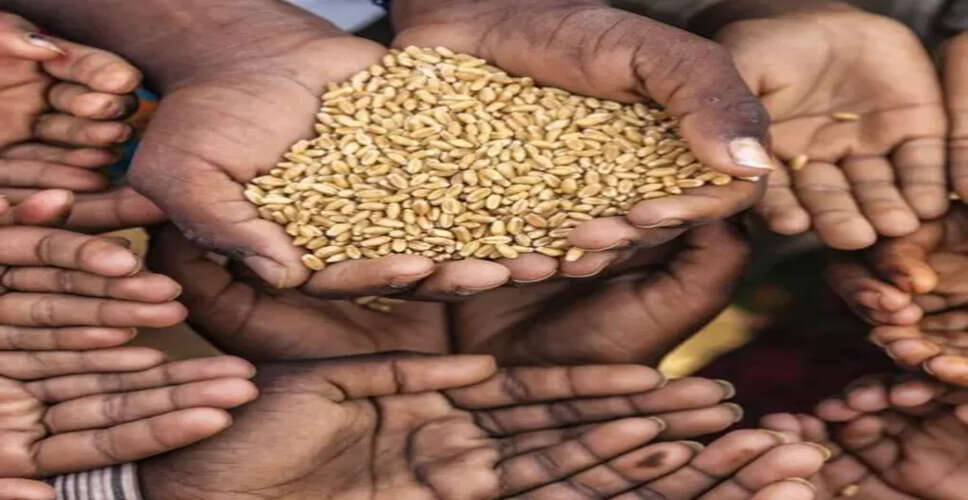

Food Insecurity in Bangladesh
Representational Image
New Delhi, April 29: The '2026 Global Report on Food Crises' (GRFC) identifies Bangladesh as one of the top ten nations experiencing significant acute food insecurity in 2025, as reported by a Dhaka-based publication.
The report indicates that approximately 16 million individuals in Bangladesh encountered crisis-level food insecurity or worse during the peak of 2025. This figure represents 17% of the assessed population, which itself accounts for 59% of the country's total population, not the entire populace.
Dr. Selim Raihan, an economics professor at Dhaka University, emphasizes that the ongoing food insecurity reflects deeper structural issues, including unstable incomes, limited purchasing power, regional disparities, vulnerability to climate change, poor nutritional outcomes, and insufficient social safety nets. For many families, the issue is not the unavailability of food in markets, but rather its unaffordability, leading to inadequate diets and exhausted coping strategies.
The article notes that rising food prices in Bangladesh have altered household consumption patterns. Families have decreased their protein intake, opted for cheaper food options, delayed health expenditures, borrowed from informal lenders, and reduced spending on children's needs.
Prolonged high prices for staples like rice, cooking oil, lentils, eggs, fish, and vegetables have detrimental effects on nutrition. Children are particularly affected, often suffering in silence. Women typically eat last and in smaller portions, while elderly members of low-income households increasingly rely on irregular assistance.
While remittances provided some relief in 2025, the article warns against complacency. These financial inflows are not evenly distributed among regions and families. Although they assist many, they cannot replace a comprehensive national food security strategy. Thus, the food security issue is also tied to inequality.
The article argues that food security policies must extend beyond mere food availability. Bangladesh has made commendable progress in rice production and maintaining staple supplies. However, food security encompasses access, nutrition, stability, and dignity. The focus should shift from simply asking, 'Is there enough rice?' to 'Can impoverished households afford a nutritious diet year-round?' This necessitates ongoing monitoring of food baskets rather than just tracking overall inflation.