
Bangladesh Adjusts Trade Stance with India Amid Tensions
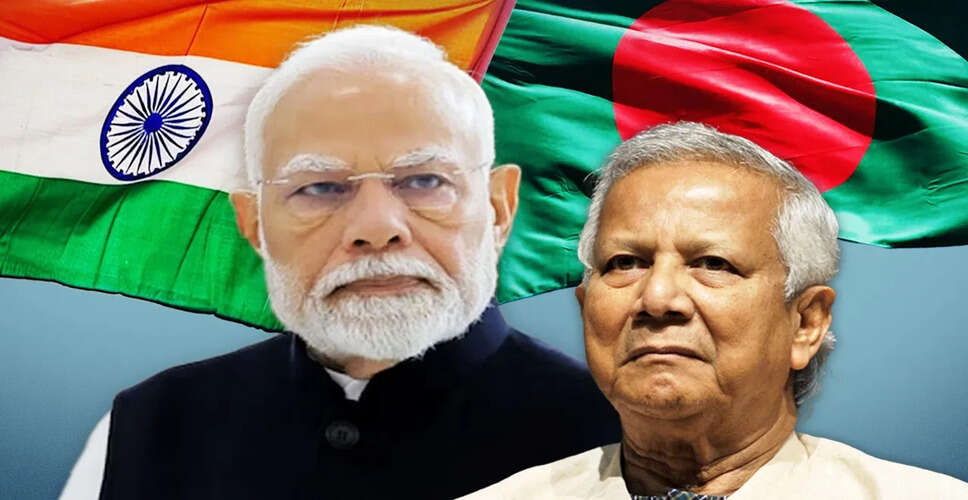
Bangladesh's Strategic Shift in Trade Relations
In light of Pakistan's situation, Bangladesh has decided to ease its trade tensions with India. To prevent further escalation, the Bangladeshi government has made it clear that it will not engage in any retaliatory measures. Officials believe that ongoing trade disputes with India are detrimental to both nations and should be resolved through dialogue.
During a significant meeting on Wednesday, Bangladesh's Commerce Secretary Mahbubur Rahman stated, "We aim to prevent any further deterioration of the situation. We will not resort to any retaliatory actions." This meeting involved various ministries, departments, agencies, and business organizations to discuss the current circumstances.
Background of the Trade Tensions
The tensions began on April 13 when Bangladesh imposed a ban on the import of yarn from India across four land borders. In retaliation, India halted the transshipment of Bangladeshi ready-made garments. Subsequently, on May 17, India restricted imports of textiles, processed foods, furniture, and other goods from Bangladesh. India is the second-largest importer for Bangladesh, following China.
Call for Dialogue
Mahbubur Rahman mentioned that a formal letter has already been sent to India requesting a meeting at the commerce secretary level. He emphasized, "We are simply asking for a seat at the table to discuss and resolve these issues." A businessman present at the meeting urged the government to postpone the restrictions on imports from India for at least three months to clear pending shipments. Over the past ten months, Bangladesh has imported approximately 350,000 tons of goods via land routes, as maritime transport is more expensive.
Bangladesh's Import Needs from India
Bangladesh relies on India for various essential items, including raw materials, textiles, machinery, agricultural products, food items, chemicals, rice, vegetables, and dairy products. In the last fiscal year, trade between the two countries reached $10.56 billion, with Bangladesh exporting only $1.56 billion while importing $9 billion worth of goods from India.
Under the SAARC agreement, Bangladesh benefits from zero-duty imports through the South Asian Free Trade Area (SAFTA). Currently, the Bangladeshi government is awaiting India's response to the proposed meeting. If negotiations occur, a resolution to the tensions could be reached swiftly; otherwise, businesses on both sides may face significant losses.