
Azerbaijan's Strategic Role Amidst the Iran-Israel Tensions

Azerbaijan at the Geopolitical Crossroads
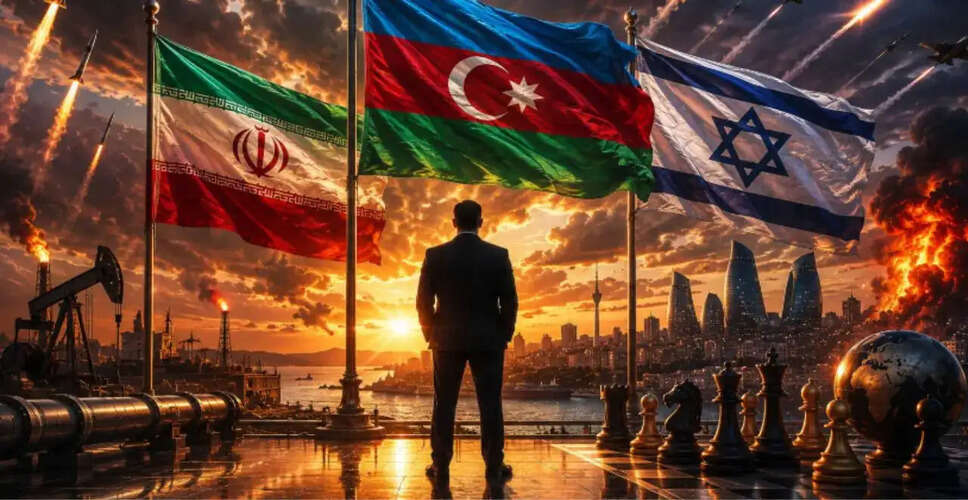
The ongoing conflict between Iran and Israel is escalating, moving beyond mere missile exchanges and potentially altering regional alliances. As this situation unfolds, Azerbaijan is drawing attention for its unique geopolitical stance. This nation, which shares a border with Iran, has cultivated strong ties with Israel and plays a vital role as an energy supplier to Europe, positioning itself as a key player in this evolving geopolitical landscape.
Azerbaijan's geographical location is significant, with a 700-kilometer border with Iran and a robust strategic partnership with Israel that encompasses energy, trade, defense, and diplomacy. For years, Azerbaijan has been a crucial oil supplier to Israel via the Baku-Tbilisi-Ceyhan pipeline, making energy collaboration a fundamental aspect of their relationship. Recent reports suggest that Azerbaijani oil continues to flow to Israel, despite shifts in customs reporting, which has raised concerns in Tehran regarding Israel's expanding influence in the region.
Iran's Concerns Over Azerbaijan
Iran's Northern Frontier Under the Spotlight
Iran's apprehensions regarding Azerbaijan extend beyond energy concerns. The two nations not only differ geographically but also represent conflicting regional aspirations and increasingly divergent strategic alignments. While Iran remains wary of Israeli influence near its borders, Azerbaijan has progressively strengthened its ties with Israel over the past twenty years, particularly in defense and technology. This evolving relationship has led to periodic diplomatic strains, military posturing, and competing interests in the region.
Demographic Dynamics and Regional Politics
The Azeri Factor Inside Iran
Demographics add another layer of complexity to the situation. Ethnic Azerbaijanis form the largest non-Persian ethnic group in Iran, with estimates suggesting their population is in the tens of millions, primarily located in northwestern Iran. While these Iranian Azerbaijanis are well-integrated into the country's political, economic, and social fabric, their presence remains a sensitive topic in regional politics due to cultural and linguistic ties that link communities across the border. As tensions between Tehran and Baku rise, this demographic issue often resurfaces in geopolitical discussions.
Azerbaijan's Role in Europe's Energy Security
Europe's Energy Security Also Runs Through Azerbaijan
Azerbaijan's importance extends well beyond the Middle East. As Europe seeks to reduce its reliance on Russian energy, Azerbaijan has emerged as a vital alternative source of natural gas through the Southern Gas Corridor. European officials regard Azerbaijani energy supplies as essential to the continent's energy security strategy. Consequently, any instability involving Azerbaijan could have far-reaching implications, impacting energy markets, transit routes, and supply chains across Europe.
Despite its close ties with Israel, Azerbaijan has consistently aimed to avoid direct involvement in broader Middle Eastern conflicts. Its foreign policy has traditionally focused on balancing relationships with regional powers, including Turkey, Iran, Russia, Israel, and Western nations. However, as tensions between Iran and Israel escalate, maintaining this balance may become increasingly challenging. Azerbaijan's strategic location, energy resources, and regional alliances mean it can no longer be seen merely as a neighbor to the conflict; it is becoming an active stakeholder in its resolution. The confrontation between Iran and Israel is no longer limited to traditional Middle Eastern hotspots. From the Gulf to the South Caucasus, regional players must navigate new strategic realities. For Azerbaijan, the challenge is particularly pressing: to sustain crucial partnerships, avoid direct conflict, and uphold stability along one of Eurasia's most sensitive borders.