
Are US-Iran Negotiations Gaining Momentum? Insights from Regional Mediators

Progress in US-Iran Negotiations
Cairo: Recent developments indicate that mediators have made headway in facilitating discussions between the United States and Iran, aiming to prevent a full-scale conflict in the Middle East. This progress comes after a three-day lull in hostilities following a period of heightened tensions.
According to two regional officials who requested anonymity due to the sensitive nature of the negotiations, mediators from Qatar and Pakistan are striving to reconnect Washington and Tehran to an interim ceasefire agreement that had been jeopardized by recent military exchanges.
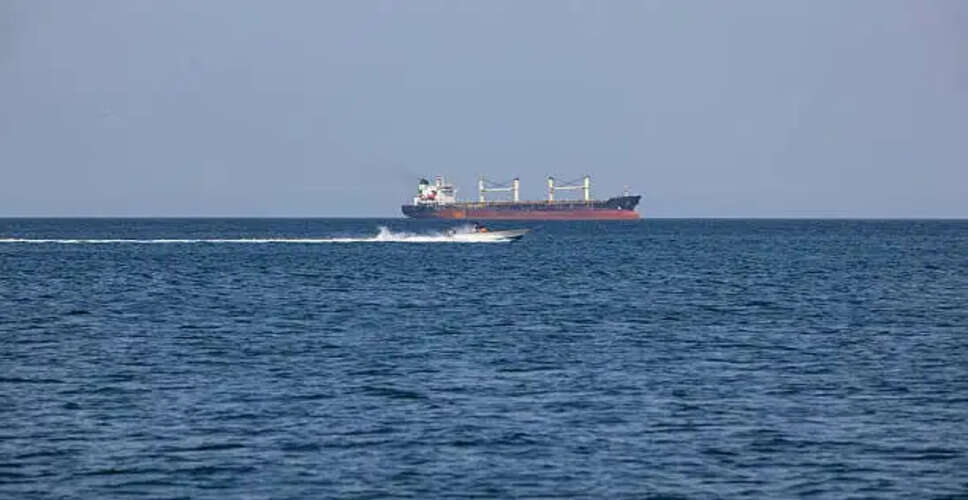
The US has refrained from launching attacks after a series of strikes targeting Iranian coastal regions and infrastructure, which had escalated over nearly two weeks due to Iran's actions against vessels in the vital Strait of Hormuz, a key route for global oil transport. The Pentagon has not commented on this situation.
US President Donald Trump is allowing some breathing room for the negotiations, as stated by Mike Waltz, the US ambassador to the United Nations, during an interview with Fox News.
Waltz noted that both Oman and Iran, along with other negotiators, have been engaged at various levels in discussions over the past weeks, particularly in recent days.
He dismissed concerns regarding the depletion of the US interceptor stockpile, which is essential for defense against Iranian threats, although experts have raised questions about the sustainability of ongoing attacks from both sides.
With the US halting its attacks for the last two nights, Iran has reciprocated, as confirmed by an Iranian military spokesperson on state television. Recently, Iran has retaliated against nations hosting US forces, resulting in casualties among service members in Jordan and Iraq.
One regional official described the mediation efforts as having made significant strides. They are working with Iran and Oman to establish a framework for managing maritime traffic through the Strait of Hormuz, which has been the catalyst for the recent military confrontations.
Esmail Baghaei, spokesperson for Iran's Foreign Ministry, stated during a press briefing that while mediators are relaying messages, no direct negotiations with the US are currently taking place.
Baghaei mentioned that discussions have occurred between Iran and Oman regarding the management of shipping traffic through the strait, emphasizing the need for both nations to ensure safe navigation while respecting each other's sovereignty and security interests.
Despite these discussions, he reiterated that the situation in the Strait of Hormuz remains unchanged, with the waterway still closed.
Iran maintains that the interim agreement with the US allows it to oversee shipping in the strait, opposing US initiatives to support a shipping route that closely approaches Oman. The strait was previously recognized as an international waterway.
The US military confirmed that its naval blockade against Iran remains in effect, with several commercial vessels redirected, two disabled, and two boarded.
US forces are described as being highly alert and prepared for any developments.
As the 60-day period following the signing of the interim deal progresses, critical issues, particularly Iran's nuclear program, remain sidelined as mediators work to maintain dialogue between the two nations.
Concerns persist regarding shipping routes in the region, particularly through the Bab al-Mandeb strait leading to the Red Sea. Iranian-backed Houthi rebels in Yemen recently threatened to blockade Saudi shipping and attacked a Saudi tanker.
The global energy market and economic stability are at stake, with gasoline prices on the rise.
According to a maritime organization overseen by the US Navy, commercial shipping traffic in the Strait of Hormuz has reached a three-week low, with no new attacks reported in the last 72 hours, while traffic through the Bab el-Mandeb remains steady.
In related news, Israeli Prime Minister Benjamin Netanyahu is scheduled to visit the United States for a meeting with Trump in Washington on Tuesday. Their last meeting occurred in February, shortly before the onset of military actions against Iran that resulted in the deaths of key leaders, including Supreme Leader Ayatollah Ali Khamenei.
Following the commencement of hostilities, Iranian-backed Hezbollah launched attacks on Israel, prompting Israeli airstrikes and ground operations in southern Lebanon. The US has since facilitated direct talks between Lebanon and Israel to de-escalate tensions and address the disarmament of Hezbollah.