
Andy Burnham Set to Become UK's Next Prime Minister
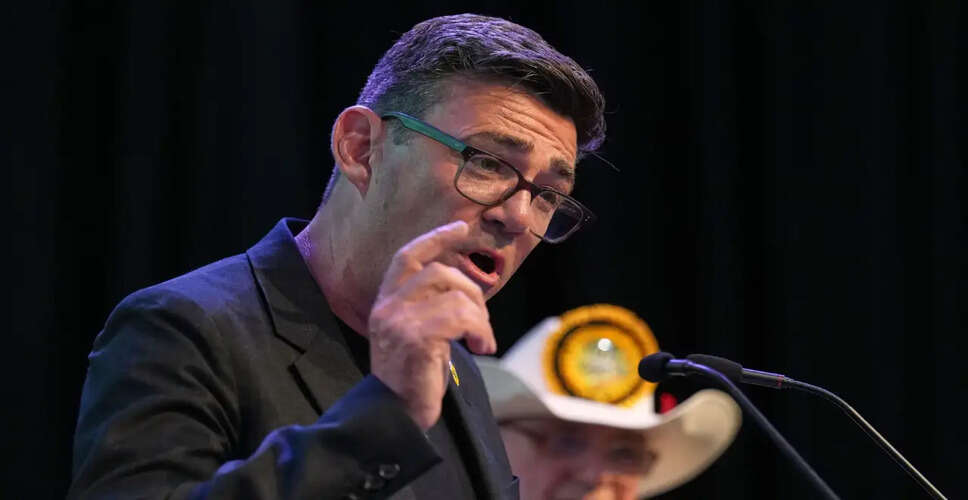

Andy Burnham's Ascension to Prime Minister
Andy Burnham is poised to take on the role of the United Kingdom's next prime minister after gaining the support of Labour MPs to succeed Sir Keir Starmer as the party leader. While Burnham will officially assume the Labour leadership on Friday, he is anticipated to become prime minister on Monday, following the established constitutional procedures in the UK. Here’s a comprehensive overview of the leadership transition.
When Will Andy Burnham Officially Become Prime Minister?
Although Burnham will take over as Labour leader on Friday, his official role as prime minister will commence on Monday. The constitutional process dictates that Sir Keir Starmer must first meet with King Charles III to formally resign. Following this, the King will invite Burnham to form a new government. Once Burnham accepts this invitation, he will officially be recognized as the prime minister. These meetings typically occur at Buckingham Palace. Afterward, Burnham is expected to head to 10 Downing Street, where he will likely deliver his inaugural speech as prime minister outside the iconic residence. Notably, this leadership transition does not necessitate a general election, as UK prime ministers are not directly elected by the populace; rather, the leader of the party with a majority in the House of Commons assumes the role.
Reasons Behind Burnham's Leadership and His Future Plans
Sir Keir Starmer led the Labour Party to a significant general election victory in 2024. However, his administration's popularity waned due to various policy reversals and political challenges. Reports indicate that Labour MPs grew increasingly anxious after Reform UK showed strong performance in local elections in May, raising concerns that Nigel Farage's party could become a formidable opponent in the upcoming general election. Burnham, who has long been viewed as a potential leader for Labour, returned to Parliament through a by-election just last month. His recent victory and the increasing support from Labour MPs have facilitated his rise to replace Starmer without the need for a leadership contest. Several prominent Labour figures, including former health secretary Wes Streeting, have reportedly endorsed Burnham's leadership bid instead of launching their own campaigns.
As prime minister, Burnham has expressed intentions to adhere to Labour's commitments from the 2024 election, which include maintaining current income tax, VAT, and National Insurance rates. Additionally, he has outlined several of his own priorities, such as transferring more powers from Westminster to local councils and regional authorities, especially concerning housing and transportation. Burnham has also suggested the establishment of a second No. 10 team in Manchester, over 150 miles away from London, as part of his broader strategy to decentralize government. Furthermore, he has hinted at potential reforms in welfare, social care, immigration, and defense policies, and has mentioned that a wealth tax could be on the table, although detailed policy proposals have yet to be disclosed. One of his immediate tasks upon taking office will be to appoint senior Cabinet ministers, including the chancellor, home secretary, and foreign secretary, with these appointments still pending announcement.