
Urgent Action Needed to Protect Endangered Species Worldwide
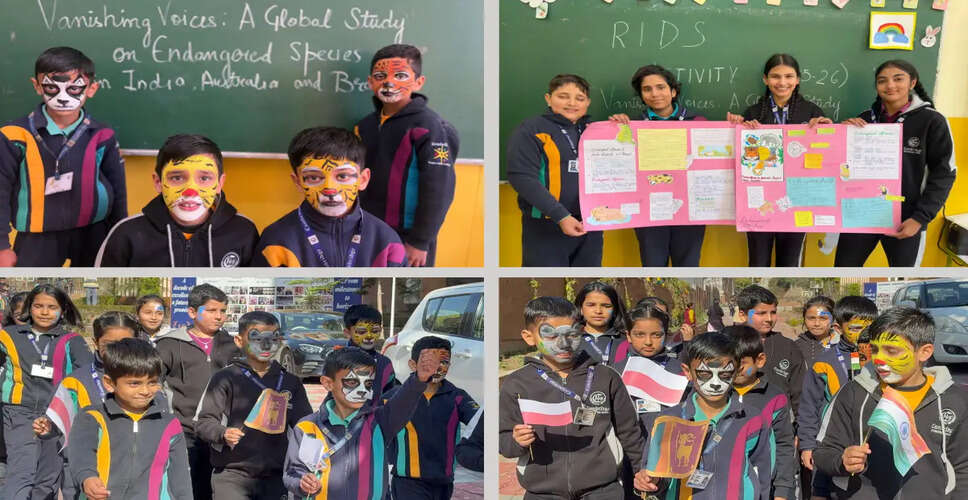
The Global Crisis of Endangered Species
Lyra Sharma
Palampur
The rapid extinction of endangered species is raising alarms among students and conservationists globally. Nations like India, Australia, and Brazil, known for their diverse ecosystems, are experiencing a swift decline in unique flora and fauna due to factors such as deforestation, climate change, pollution, and human negligence.
Iconic species such as the Bengal tiger in India, the koala in Australia, and the Amazon River dolphin in Brazil are increasingly threatened by habitat loss, illegal hunting, wildfires, and rampant urban development. Experts caution that the loss of even one species can disrupt the fragile ecological balance, resulting in far-reaching effects on human life.

The United Nations’ Sustainable Development Goals (SDGs), especially SDG 13 (Climate Action) and SDG 15 (Life on Land), underscore the critical need for ecosystem conservation and climate action. Safeguarding endangered species is crucial for meeting these international targets.
Students and environmental activists are calling on governments to implement stricter wildlife protection regulations, encourage reforestation, maintain natural habitats, and combat poaching and illegal wildlife trafficking. They also emphasize the importance of educating the public about the consequences of their actions on the environment.
Lyra Sharma, a Grade XII Humanities student, stated, “Conservation is not solely the responsibility of governments; it is a duty for every global citizen.” She highlighted the necessity for schools, communities, and youth to engage in conservation initiatives and adopt sustainable practices to protect the planet for future generations.
Environmentalists are hopeful that this urgent appeal will galvanize collective action to preserve the world’s invaluable natural heritage before it is too late.