
The Exxon Valdez Oil Spill: A Catastrophe That Changed the Environment

The Exxon Valdez Oil Spill
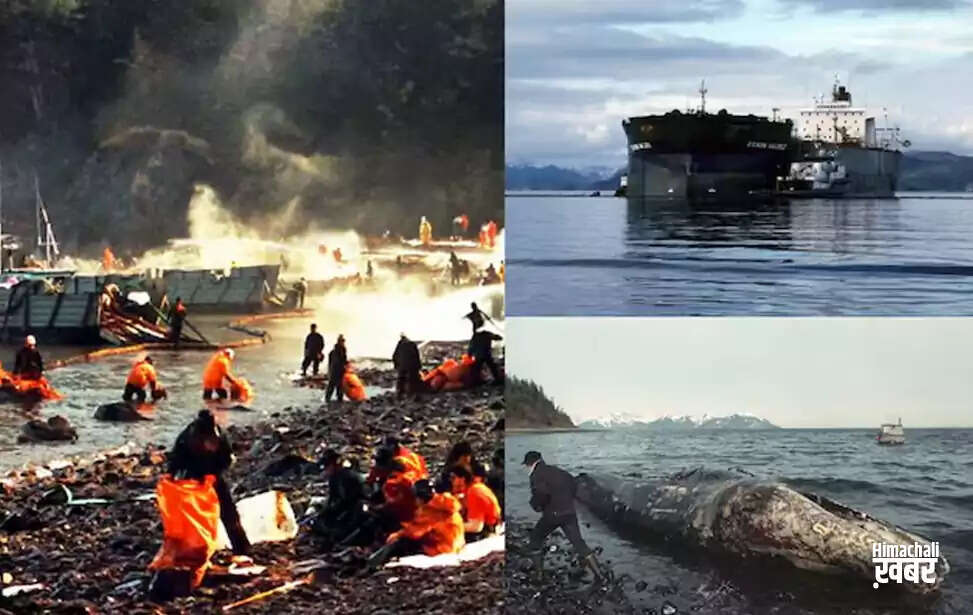
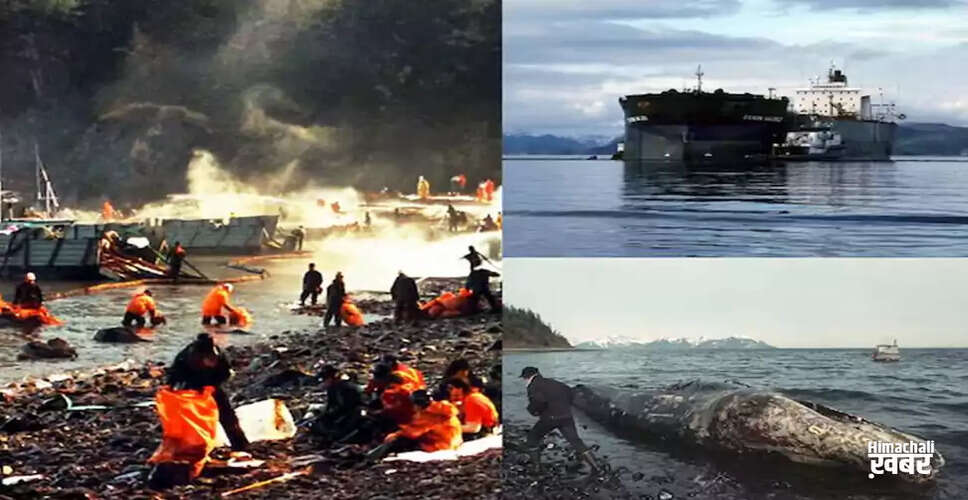
Exxon Valdez Oil Spill: Sometimes, we make mistakes that cannot be undone. In 1989, a significant incident occurred in Alaska. The Exxon Valdez, a massive oil tanker filled with crude oil, collided with a rock in the dark of night. This accident resulted in millions of gallons of oil spilling into the ocean, bringing devastation to fish, birds, and marine life, and altering the region's ecosystem forever. This event is considered one of the greatest environmental disasters in history. Let’s delve into the complete story.
On the night of March 24, 1989, the Exxon Valdez, a large oil tanker owned by Exxon Corporation, departed from Port Valdez, carrying approximately 53 million gallons of crude oil. However, at around 12:04 AM, the vessel struck a rock known as Bligh Reef.
11 Million Gallons of Oil Spilled
The impact was so severe that it created a hole in the hull of the ship, leading to the release of about 11 million gallons of oil into the sea within hours. The thick black oil spread across the waves, and within days, the waters over a 1,300-kilometer radius became toxic.
Water Turned into a Black Sea
The oil spill resulted in the death of millions of fish, seabirds, seals, and large species like whales. In this cold-water region, the oil solidified, making it nearly impossible for marine life to breathe, swim, or find food. Reports indicated that approximately 250,000 seabirds, 2,800 seals, 250 bald eagles, and 22 orca whales perished.
Prince William Sound, once renowned for its beauty and clear waters, transformed into a polluted sea. Local fishermen, who relied on the ocean for their livelihood, suddenly found themselves unemployed. The environmental and economic impact on the region was devastating.
Captain's Mistake
Following the disaster, an investigation revealed that the ship's captain, Joseph Hazelwood, had been drinking and failed to navigate the vessel properly. Additionally, Exxon faced accusations of not providing adequate staffing on the ship and neglecting safety regulations. Legal battles ensued for years, resulting in hefty fines for the company and a mandate to participate in environmental restoration efforts.
$2 Billion Spent on Cleanup
The cleanup process was initiated, but it was far from simple. Thousands of workers, boats, and machinery worked tirelessly day and night. Exxon spent nearly $2 billion on the cleanup, yet environmental scientists stated that it would take decades for the ocean to return to its original state. Even today, remnants of oil can still be found beneath the soil and sand in some areas. Following this incident, the U.S. revised its maritime laws and enacted the Oil Pollution Act of 1990 to prevent such occurrences in the future.